
Dry Eyes in Alberta: Why Edmonton's Climate Makes It Worse (And What Actually Helps)
Dry Eyes in Alberta: Why Edmonton's Climate Makes It Worse (And What Actually Helps)
Written by the Charm Optical Team • April 7, 2026
- Why Dry Eyes Are So Common in Edmonton
- Edmonton Dry Eye Causes: The Full Breakdown
- Dry Eye Symptoms Most People Ignore
- Edmonton Winters and Dry Eyes: The -30°C Problem
- Wildfire Smoke Season and Your Eyes
- Screen Time Makes Edmonton's Dry Eye Problem Worse
- Contact Lenses and Dry Eyes: Dailies vs Monthlies in Edmonton
- Dry Eye Treatments That Actually Work
- Treatment Options Comparison Table
- When to See an Optometrist for Dry Eyes in Edmonton
- Insurance and Direct Billing for Dry Eye Exams in Edmonton
- Finding Dry Eye Help Near Me in South Edmonton
- Frequently Asked Questions About Dry Eyes
If your eyes feel gritty, tired, or irritated for weeks on end, Edmonton's climate might be the biggest reason. This city is one of the driest major cities in Canada, and our long winters, forced-air heating, and increasingly smoky summers create a near-perfect storm for dry eyes. Combine that with hours of daily screen time and you get a condition that millions of Canadians deal with but very few understand properly.
We see patients at Charm Optical in South Edmonton who've been suffering with dry eye symptoms for months before booking an exam. Most assumed their discomfort was "just tiredness" or thought they needed a new glasses prescription. In many cases, the real issue is their tear film, and the fix is simpler than they expected.
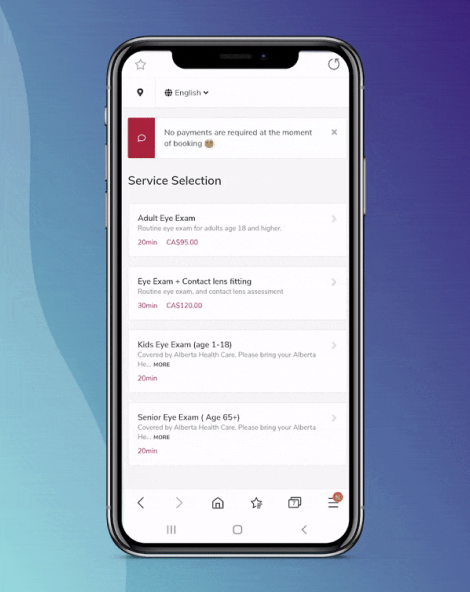
This guide covers why dry eyes in Edmonton are so widespread, what triggers them, and what actually works to treat them. If your eyes have been bothering you and home remedies aren't cutting it, a comprehensive eye exam is the fastest way to get answers. Ours start at $99, and you can book online at see.charmoptical.ca or call us at (780) 490-0090.
Why Dry Eyes Are So Common in Edmonton
Edmonton sits at 53 degrees north latitude in the Canadian prairies. That geographic reality shapes everything about our climate: bitterly cold winters, low humidity year-round, and strong chinook-style pressure swings that can shift conditions overnight. For your eyes, this environment is relentlessly harsh.
According to the Canadian Association of Optometrists, dry eye disease affects roughly 30% of Canadians. In Edmonton, optometrists generally report higher rates than the national average because of our specific climate conditions. The combination of extreme cold outdoors and heated, recycled air indoors creates a double assault on your tear film.
Your tears aren't just water. They're a complex three-layer film: an outer oily layer (prevents evaporation), a middle watery layer (provides moisture and nutrients), and an inner mucus layer (helps tears stick to your eye). When any of these layers breaks down, you get dry eye symptoms. Edmonton's environment attacks all three.
Neighbourhoods across the city deal with this. Patients come to our Ellerslie clinic from Summerside, Windermere, and Heritage Valley in the south. We hear the same story from families in Sherwood Park, Beaumont, and Leduc. Dry eyes don't discriminate by postal code, but Alberta's climate makes them significantly worse than what people experience in Vancouver, Toronto, or Halifax.
Edmonton Dry Eye Causes: The Full Breakdown
Not every case of dry eye has the same trigger. Here's a breakdown of the most common causes we see in our Edmonton patients, along with how Alberta's environment factors into each one.
| Cause | How It Triggers Dry Eyes | Edmonton-Specific Factor |
|---|---|---|
| Low outdoor humidity | Tears evaporate faster when ambient moisture is low | Winter humidity in Edmonton drops to 15-25%, well below the 30-50% comfort range |
| Forced-air heating | Furnaces strip remaining moisture from indoor air, often below 20% | Edmonton furnaces run 6-7 months of the year (Oct-Apr) |
| Cold wind exposure | Wind accelerates tear evaporation and irritates the eye surface | -30°C to -40°C windchills are routine in Jan/Feb |
| Wildfire smoke | Fine particulate matter (PM2.5) triggers inflammation and disrupts the tear film | Alberta's fire seasons in 2023-2025 produced weeks of hazardous air quality |
| Screen time | Blink rate drops from ~15 to ~5 blinks per minute during focused screen use | Long winters mean more indoor screen hours per day |
| UV exposure | UV radiation damages the corneal surface, worsening tear instability | Snow glare in winter amplifies UV by up to 80% (reflected off the ground) |
| Medications | Antihistamines, decongestants, blood pressure meds, and antidepressants reduce tear production | Allergy meds taken during pollen season (May-Sep) can compound environmental dryness |
| Age and hormones | Tear production naturally declines after 50; hormonal changes (menopause) accelerate it | Not climate-specific, but Alberta's dry conditions make age-related dryness much more noticeable |
Most Edmonton dry eye cases involve two or three of these causes stacking on top of each other. A person over 50 who works on a computer all day in a house with forced-air heating during January? That's a textbook combination for chronic dry eye.
Dry Eye Symptoms Most People Ignore
Dry eye symptoms are sneaky. They build gradually, and most people adapt to the discomfort without realizing something is actually wrong. Here are the symptoms to watch for:
- Grittiness or a sandy feeling in your eyes, especially in the morning or after screen use
- Stinging or burning that doesn't go away after rubbing your eyes
- Excessive watering (your eyes overcompensate for dryness by flooding with low-quality reflex tears)
- Blurred vision that fluctuates throughout the day, often clearing after you blink
- Red, irritated eyes that look bloodshot without an obvious cause
- Sensitivity to light or wind
- Discomfort wearing contact lenses that used to feel fine
- Tired, heavy-feeling eyes by the end of the workday
- Stringy mucus around your eyes or in the corners
The watering symptom confuses a lot of people. "How can my eyes be dry if they're always watering?" The answer: your eyes produce emergency reflex tears in response to dryness, but those tears are mostly water with almost no oil or mucus. They don't stick to your eye surface, so they roll right off without actually moisturizing anything. Your eyes stay dry despite the waterworks.
The American Academy of Ophthalmology notes that dry eye disease is one of the most common reasons for eye care visits across North America, yet many patients wait months or years before seeking treatment. If any of these symptoms sound familiar, it's worth getting your eyes checked rather than just buying drops and hoping for the best.
Edmonton Winters and Dry Eyes: The -30°C Problem
There's a reason dry eye complaints spike at our clinic between November and March. Edmonton winters are the single biggest environmental trigger for dry eyes in Alberta, and it comes down to two factors working together: extreme cold outside and bone-dry heated air inside.
What Happens Outdoors
Cold air holds less moisture than warm air. At -30°C, the air in Edmonton contains a fraction of the moisture you'd find on a 20°C summer day. Walk outside for five minutes without eye protection and you'll feel it: your tear film evaporates rapidly, your eyes water reflexively, and the skin around your eyes tightens from the cold. Wind makes everything worse. The exposed surface of your eye is essentially an open mucous membrane with no protection except your blink reflex.
People who commute on foot, wait at transit stops, or work outdoors in neighbourhoods like Mill Woods, Rutherford, or the industrial areas north of the river get hit hardest during cold snaps.
What Happens Indoors
This is actually the bigger problem. Most Edmontonians spend 90%+ of winter indoors, and Alberta homes rely heavily on forced-air natural gas furnaces. These systems cycle air through the house repeatedly, stripping moisture with each pass. Indoor relative humidity in a typical Edmonton home during January sits around 15-20% without a humidifier. The Mayo Clinic recommends indoor humidity between 30-50% for comfort. Most Edmonton homes in winter are well below that.
Office buildings are often worse. Commercial HVAC systems in downtown Edmonton or business parks in the south side like Nisku and Ellerslie recirculate dry air across large open spaces. You're spending eight hours a day breathing and blinking in air that's drier than the Sahara Desert (which averages around 25% humidity).
The Indoor-Outdoor Cycle
Going from -30°C outside to +22°C inside and back again stresses your tear film repeatedly. Your meibomian glands (the tiny oil glands in your eyelids that produce the outer protective layer of your tears) struggle to keep up with the rapid temperature changes. Over a six-month winter, this daily cycling can lead to meibomian gland dysfunction, one of the primary causes of chronic dry eye disease.
Wildfire Smoke Season and Your Eyes
Alberta's wildfire seasons have become a second major dry eye trigger that didn't exist at this scale a decade ago. The 2023 season was the worst in Canadian history, and Edmonton spent weeks blanketed in thick smoke with air quality readings that topped the scale. 2024 and 2025 brought their own stretches of poor air. This is no longer a one-off event. It's becoming part of our annual cycle.
Wildfire smoke contains fine particulate matter (PM2.5) that's small enough to penetrate your tear film and irritate the surface of your eye directly. A 2022 study published in The Ocular Surface found that wildfire smoke exposure was associated with a significant increase in dry eye symptoms, corneal surface damage, and inflammatory markers in the tear film.
During smoke events, people who already have dry eyes report a sharp worsening of symptoms. But even people with perfectly healthy eyes notice the irritation. The combination of particulate exposure plus running air conditioning or air purifiers indoors (which also dry out the air) creates the same indoor dryness problem that winter heating does.
Protecting Your Eyes During Smoke Season
- Wear wraparound glasses or sunglasses outdoors to shield your eyes from particulates
- Use preservative-free artificial tears more frequently on smoky days
- Run a humidifier alongside your air purifier indoors
- Avoid wearing contact lenses during heavy smoke days if possible (smoke particles can get trapped under the lens)
- If your eyes become severely red, painful, or your vision changes during a smoke event, see an optometrist promptly
Screen Time Makes Edmonton's Dry Eye Problem Worse
Screen time is a dry eye accelerator, and Edmontonians have a lot of it. Our long, dark winters mean more hours on laptops, phones, tablets, and TVs. Remote workers especially spend entire days staring at screens inside heated homes with dry air. It's the perfect recipe for digital eye strain layered on top of environmental dryness.
The mechanism is straightforward. When you focus on a screen, your blink rate drops dramatically. Normal blink rate is about 15-20 times per minute. During concentrated screen use, that drops to around 5-7 blinks per minute. Each blink refreshes your tear film. Fewer blinks mean your tears evaporate before they get replenished.
Research published in BMJ Open Ophthalmology confirmed that prolonged screen use is independently associated with dry eye disease, even in younger adults who don't have other risk factors. The study found that people who spent more than 4 hours per day on screens had significantly higher rates of dry eye symptoms.
The 20-20-20 Rule
Optometrists recommend the 20-20-20 rule: every 20 minutes, look at something 20 feet away for 20 seconds. It sounds simple. Very few people actually do it. But it genuinely works by triggering your normal blink reflex and giving your tear film a chance to recover.
If you work at a computer in Edmonton, pairing the 20-20-20 rule with a desk humidifier and preservative-free drops makes a measurable difference. Your optometrist can also assess whether computer glasses with a blue light coating would help reduce your overall eye strain.
Contact Lenses and Dry Eyes: Dailies vs Monthlies in Edmonton
Contact lens wearers in Edmonton deal with dry eyes at higher rates than glasses wearers. The lens sits directly on your tear film and interferes with the normal tear distribution cycle. In a dry climate like ours, this effect is amplified significantly.
Not all contact lenses perform equally in dry conditions. The type of lens you wear matters far more than most people realize.
Why Daily Disposables Are Better for Dry Eyes
Daily disposable lenses are the best option for dry eye sufferers in Edmonton. Here's why:
- Fresh lens every day. Protein deposits, lipid buildup, and environmental debris (including furnace dust and wildfire particulates) accumulate on contact lenses over time. A monthly lens collects 30 days of deposits. A daily lens starts clean every morning.
- Higher moisture content. Many daily lenses are designed with higher water content and moisture-lock technology. Brands like Acuvue Oasys 1-Day and Dailies Total1 use gradient water content that keeps the surface wet throughout the day.
- No solution sensitivity. Monthly lenses require cleaning solutions, and some people develop sensitivities to the preservatives in those solutions over time. Daily lenses eliminate that variable entirely.
- Better for inconsistent wear. If you switch between glasses and contacts depending on the weather or your comfort level, dailies let you wear lenses only when you want to without worrying about a partially-used monthly lens drying out in its case.
Monthly and Biweekly Lenses in Dry Conditions
Monthly and biweekly lenses can still work in Edmonton's climate, but they require more maintenance and care. If you wear monthlies, rewetting drops become essential rather than optional during the winter months. Your optometrist may also recommend switching to a silicone hydrogel material that transmits more oxygen and resists dehydration better than traditional hydrogel lenses.
If you're currently wearing monthly lenses and struggling with dryness, talk to us about switching to dailies. We carry a full range of daily disposable contact lenses at our Ellerslie store and can do a trial fitting during your exam.
Dry Eye Treatments That Actually Work
Not every dry eye treatment you see advertised online is worth your money. Some are genuinely effective. Others are marketing. Here's what the evidence and clinical experience support, broken down by severity.
Mild Dry Eyes (Occasional Discomfort)
Most people with mild dry eyes can manage symptoms with a few straightforward changes:
- Preservative-free artificial tears. This is the first-line recommendation from virtually every optometrist. Preservative-free formulations (like Systane Ultra preservative-free, Refresh Optive preservative-free, or Hylo) avoid the irritation that preserved drops can cause with frequent use. The Canadian Association of Optometrists specifically recommends preservative-free options for regular use.
- Warm compresses. A warm, damp cloth over closed eyes for 5-10 minutes helps soften the oils in your meibomian glands, improving tear quality. Heated eye masks designed for this purpose (like the Bruder mask) are more convenient and hold heat longer.
- Humidifiers. Running a humidifier in your bedroom and home office during Edmonton's heating season can raise indoor humidity from 15% to 35-40%. This alone makes a noticeable difference for many people.
- Omega-3 fatty acids. Several clinical studies suggest that omega-3 supplementation (fish oil or flaxseed oil) can improve tear quality over time. Results aren't instant, but after 6-8 weeks of consistent use, many patients report improvement.
- Blink exercises. Deliberately practising full, complete blinks (squeeze your eyes gently shut for a beat) a few times per hour during screen work helps maintain your tear film.
Moderate Dry Eyes (Daily Discomfort)
- Gel drops or ointments at night. Thicker than regular artificial tears, gel drops and overnight ointments keep your eyes moisturized while you sleep. Edmonton's dry bedroom air makes nighttime evaporation a significant issue, especially if you sleep with a ceiling fan running.
- Lid hygiene. Cleaning your eyelid margins with dedicated wipes (like Ocusoft or I-Lid'n Lash) removes debris and bacteria that can worsen meibomian gland dysfunction.
- Prescription eye drops. If over-the-counter drops aren't enough, your optometrist can prescribe anti-inflammatory drops like cyclosporine (Restasis) or lifitegrast (Xiidra) that address the underlying inflammation rather than just adding moisture.
- Punctal plugs. These tiny silicone plugs are inserted into your tear drainage ducts to slow tear drainage, keeping your natural tears on your eye longer. It's a quick, painless in-office procedure.
Severe Dry Eyes (Chronic, Impacting Quality of Life)
- In-office meibomian gland treatments. Procedures like intense pulsed light (IPL) therapy or thermal pulsation (LipiFlow) can restore gland function in cases where home treatments aren't sufficient.
- Scleral lenses. For severe dry eye that doesn't respond to other treatments, scleral contact lenses vault over the cornea and hold a reservoir of saline against your eye, keeping it continuously moisturized. These are specialty lenses fitted by an optometrist with specific training.
- Autologous serum tears. Made from your own blood serum, these drops contain growth factors and nutrients that closely match natural tears. They're used for the most resistant cases.
Treatment Options Comparison Table
| Treatment | Best For | How It Works | Approx. Cost | Prescription Needed? |
|---|---|---|---|---|
| Preservative-free artificial tears | Mild-moderate dryness | Supplements natural tear film | $15-$30/box | No |
| Warm compresses / heated masks | Meibomian gland dysfunction | Softens blocked gland oils | $5-$30 (mask) | No |
| Humidifier | Indoor dryness (winter) | Raises ambient humidity to 30-50% | $40-$150 | No |
| Omega-3 supplements | Chronic mild dryness | Improves tear oil quality over 6-8 weeks | $15-$40/month | No |
| Gel drops / night ointment | Overnight dryness | Thicker moisture barrier during sleep | $12-$25 | No |
| Cyclosporine (Restasis) | Moderate-severe inflammatory dry eye | Reduces inflammation, increases tear production | $80-$150/month | Yes |
| Punctal plugs | Moderate dryness with good tear quality | Blocks tear drainage to keep eyes moist | $150-$400 (one-time) | Yes (in-office) |
| IPL / LipiFlow | Severe meibomian gland dysfunction | Restores gland function with heat/light | $500-$1,500/session | Yes (specialist) |
| Daily disposable contact lenses | Lens wearers with dry eyes | Fresh, high-moisture lens every day; no deposit buildup | $1-$3/day | Yes (fitting) |
| Scleral lenses | Severe, treatment-resistant dry eye | Holds saline reservoir against cornea | $2,000-$4,000/pair | Yes (specialist fitting) |
Note: Costs are approximate and may vary. Many treatments are partially covered by private insurance. Ask your optometrist which options are right for your specific type and severity of dry eye.
When to See an Optometrist for Dry Eyes in Edmonton
Mild, occasional dryness during a cold snap or after a long day at the computer is normal. You can usually manage it with preservative-free drops and a few environmental changes. But some situations call for professional assessment.
Book an eye exam if you experience any of the following:
- Dry eye symptoms that last more than two weeks despite using artificial tears
- Pain (not just discomfort) in one or both eyes
- Significant changes in vision, even if temporary
- Red eyes that don't improve with rest or drops
- A feeling that something is stuck in your eye that won't go away
- Symptoms that started or worsened after beginning a new medication
- Contact lens discomfort that's getting progressively worse
- Dry eyes that are disrupting your work, driving, or daily activities
A comprehensive eye exam does more than check your prescription. Your optometrist evaluates your tear film quality, measures tear production (with tests like the Schirmer test), examines your meibomian glands, and checks for underlying conditions like blepharitis or autoimmune-related dry eye. That level of assessment isn't possible with a quick drugstore visit or an online symptom checker.
At Charm Optical, a comprehensive eye exam starts at $99. That includes a full assessment of your eye health, not just your vision prescription. You can book your exam online or give us a call at (780) 490-0090.
Insurance and Direct Billing for Dry Eye Exams in Edmonton
A dry eye assessment is part of a comprehensive eye exam, so the same insurance coverage that applies to routine eye exams applies here. Here's how coverage works in Alberta:
Alberta Health (AHCIP) Coverage
- Children under 19: Annual eye exams covered
- Seniors 65+: Annual eye exams covered
- Medical conditions: Dry eye associated with diabetes, autoimmune conditions, or other qualifying diagnoses may be covered at any age
- Adults 19-64 (healthy): Not covered for routine exams. $99 at Charm Optical.
Private Insurance — Direct Billing Available
We direct bill the following insurance providers at our Ellerslie location, which means you don't pay upfront and wait for reimbursement:
- Alberta Blue Cross
- Canada Life (formerly Great-West Life)
- Desjardins Insurance
- AISH (Assured Income for the Severely Handicapped)
- Alberta Works (Income Support)
Most employer plans through these providers cover one eye exam per year (sometimes every two years). Many also cover a portion of prescription eyewear and contact lenses. If you're unsure about your coverage, bring your benefits card to your appointment and we'll check for you on the spot.
Prescription dry eye treatments like Restasis or Xiidra may be covered under the drug benefit portion of your plan rather than the vision benefit. Your pharmacist and your insurance company can confirm specifics. Coverage for these medications varies significantly between plans.
Finding Dry Eye Help Near Me in South Edmonton
If you're searching for dry eye treatment near me or an optometrist near me in Edmonton, Charm Optical is located in South Edmonton at 5035 Ellerslie Rd SW, Edmonton, AB T6X 1X2. We're right in the Ellerslie area, easily accessible from Summerside, Windermere, Heritage Valley, Walker, Orchards, Rutherford, and Callaghan.
Patients also come to us from Sherwood Park, Beaumont, Leduc, St. Albert, and Spruce Grove. If you're driving from further out, we're just off Ellerslie Road with plenty of free parking.
Here's what to expect at a dry eye assessment:
- Comprehensive eye exam covering your overall eye health and prescription
- Tear film evaluation to check the quality and quantity of your tears
- Meibomian gland assessment to look for blockages affecting your tear oil layer
- Personalized treatment plan based on your specific type and severity of dry eye
- Product recommendations including the specific type and brand of drops best suited to your situation
We don't just hand you a generic bottle of drops and send you home. Every dry eye case has its own triggers and its own best solution.
Ready to get your dry eyes sorted out? Book an eye exam online at see.charmoptical.ca or call (780) 490-0090. We're open Monday to Friday, 11 am to 7 pm, and Saturday 11 am to 5 pm.
Frequently Asked Questions About Dry Eyes
Can dry eyes cause permanent damage?
In most cases, no. Mild to moderate dry eye causes discomfort and temporary vision fluctuations but doesn't cause lasting harm. However, severe untreated dry eye can lead to corneal abrasions, infections, or scarring over time. If you're experiencing persistent pain, vision changes, or symptoms that don't respond to over-the-counter drops, see an optometrist for a proper assessment before the condition progresses.
Why are my dry eyes worse in Edmonton during winter?
Edmonton winters combine extremely cold outdoor air (which holds very little moisture) with dry indoor air from forced-air natural gas heating. Indoor humidity regularly drops below 20% during the heating season. This two-sided assault on your tear film causes your tears to evaporate faster than your eyes can produce them. The constant cycling between frigid outdoor temperatures and warm, dry indoor environments further stresses your meibomian glands, reducing tear quality over time.
Are preservative-free eye drops really better than regular drops?
Yes, especially if you use drops more than 3-4 times per day. Preserved artificial tears contain chemicals like benzalkonium chloride (BAK) that prevent bacterial growth in the bottle, but these preservatives can irritate the eye surface with repeated use and actually worsen dry eye symptoms over time. Preservative-free drops come in single-use vials and are gentler on your eyes for frequent use. They cost a bit more, but optometrists almost universally recommend them for anyone dealing with chronic dryness.
Should I switch from monthly contact lenses to dailies if I have dry eyes?
In most cases, yes. Daily disposable lenses are the better choice for dry eye sufferers, especially in a dry climate like Edmonton's. Fresh lenses don't accumulate protein and lipid deposits the way monthlies do, and they eliminate the need for cleaning solutions that some people are sensitive to. Many daily lenses also use moisture-retention technology that keeps the lens surface wetter throughout the day. Talk to your optometrist about a trial fitting. At Charm Optical, we can switch you to dailies during your regular eye exam appointment.
How much does a dry eye exam cost in Edmonton?
A comprehensive eye exam at Charm Optical starts at $99 and includes a full dry eye assessment. If Alberta Health covers your exam (children under 19, seniors 65+, or qualifying medical conditions), there's no out-of-pocket cost. For adults 19-64 with private insurance, we direct bill Alberta Blue Cross, Canada Life (formerly Great-West Life), Desjardins, AISH, and Alberta Works so you typically don't pay anything upfront.
Does wildfire smoke make dry eyes worse?
Significantly. Wildfire smoke contains fine particulate matter (PM2.5) that penetrates the tear film and triggers inflammation on the eye surface. Clinical research has linked wildfire smoke exposure to increased dry eye symptoms, corneal damage, and inflammatory markers in the tear film. During smoky periods in Edmonton, wear wraparound glasses outdoors, use preservative-free drops frequently, avoid contact lenses if possible, and run a humidifier alongside your air purifier indoors.
What's the best indoor humidity level for dry eyes?
Between 30% and 50% relative humidity. Most Edmonton homes drop well below this during the heating season, often sitting around 15-20%. A whole-house humidifier or a standalone unit in your bedroom and office can bring levels into the comfort range. Going above 50% isn't recommended either, as it can promote mould growth. A simple digital hygrometer (under $15 at any hardware store) lets you monitor your levels throughout the winter.
Dealing with dry, irritated eyes? Edmonton's climate is tough on your tear film, but the right treatment makes a real difference. Come see us at Charm Optical for a comprehensive dry eye assessment.
Book online: see.charmoptical.ca
Call us: (780) 490-0090
Visit us: 5035 Ellerslie Rd SW, Edmonton, AB T6X 1X2