
Prescription Sunglasses in Edmonton: Are They Worth It? An Optician's Honest Answer
Prescription Sunglasses in Edmonton: Are They Worth It? An Optician's Honest Answer
Written by the Charm Optical Team • April 7, 2026
- The Short Answer: Yes, But Here's Why
- Edmonton's UV Situation Is More Serious Than You Think
- Your Options: Prescription Sunglasses vs. Alternatives
- Polarized vs. Non-Polarized Sunglasses: Which Do You Actually Need?
- Lens Types and Tints for Edmonton Sunglasses
- Who Benefits Most from Prescription Sunglasses?
- Best Prescription Sunglass Brands We Carry in Edmonton
- How Much Do Prescription Sunglasses Cost in Edmonton?
- Insurance and Direct Billing for Prescription Sunglasses
- Kids and Prescription Sunglasses in Edmonton
- We Ship Across Canada
- Finding Prescription Sunglasses Near Me in South Edmonton
- Frequently Asked Questions
Every spring, the same question comes up at our optical counter: "Are prescription sunglasses actually worth the money, or should I just get clip-ons?" It's a fair question. Prescription sunglasses cost more than a $15 pair from the gas station. But after fitting thousands of patients at our Edmonton clinic, our honest answer is almost always the same: for most people who wear glasses and spend any real time outdoors, they're one of the best investments you can make for your eyes.
That's not a sales pitch. It's based on what we see every day. Patients come in squinting through transition lenses that don't darken in the car, or struggling with clip-ons that scratch their regular frames. Once they try a proper pair of prescription sunglasses in Edmonton, the reaction is almost always the same: "Why didn't I do this sooner?"
We carry over 422 sunglasses from 25+ brands at Charm Optical, and we can put your exact prescription into almost any of them. This guide covers everything you need to know before buying, including what lens options exist, how much they cost, and whether your insurance covers them.
The Short Answer: Yes, But Here's Why
Prescription sunglasses aren't just about convenience. They solve three problems at once: they correct your vision, block harmful UV radiation, and reduce glare. No clip-on or fit-over does all three as well as a dedicated pair.
The American Academy of Ophthalmology recommends wearing sunglasses that block 100% of UV-A and UV-B rays whenever you're outdoors. That recommendation applies year-round, not just in summer. If you need vision correction, prescription sunglasses are the cleanest way to follow that advice without juggling two pairs of eyewear or dealing with awkward over-glasses solutions.
The people who get the least value from prescription sunglasses are those who rarely go outside and don't drive. Everyone else? They're usually worth it.
Edmonton's UV Situation Is More Serious Than You Think
People associate UV damage with tropical beaches, not prairie cities. But Edmonton gets intense UV exposure that catches a lot of residents off guard.
During summer, Edmonton gets up to 17 hours of daylight. That's a lot of accumulated UV exposure, even on overcast days. The World Health Organization notes that up to 80% of UV rays penetrate cloud cover, which means you're getting significant exposure during those long June and July days whether it feels sunny or not.
Then there's winter. Snow reflects up to 80% of UV radiation back at your eyes, essentially doubling your exposure. Families in Windermere, Heritage Valley, and Ellerslie who spend weekends skiing at Marmot Basin or snowshoeing in the river valley are getting hammered with reflected UV. Without proper protection, this contributes to photokeratitis (snow blindness) in the short term and cataracts and macular degeneration over years.
Alberta also sits at a higher elevation than most of central and eastern Canada. For every 1,000 metres of elevation gain, UV intensity increases by roughly 10-12%. If you're hiking in the Rockies on a weekend trip from Edmonton, you're getting meaningfully more UV than at sea level.
Bottom line: Edmonton isn't the tropics, but your eyes still need serious UV protection. Prescription sunglasses handle that while letting you actually see clearly.
Your Options: Prescription Sunglasses vs. Alternatives in Edmonton
Before you commit to prescription sunglasses, it's worth understanding what all your options are and where each one falls short.
| Option | Pros | Cons | Best For |
|---|---|---|---|
| Prescription sunglasses | Full UV protection, sharp vision, best optics, wide frame selection | Higher upfront cost, need to carry a second pair | Drivers, outdoor workers, athletes, anyone who spends 1+ hours outside daily |
| Photochromic (transition) lenses | One pair for indoor/outdoor, convenient | Don't darken well in cars (windshield blocks UV), take time to adjust, never get as dark as true sunglasses | People who move between indoor/outdoor frequently and don't want to swap |
| Clip-on sunglasses | Cheap, easy to add to existing frames | Can scratch your lenses, limited styles, may not fit well, look clunky | Budget option for occasional outdoor use |
| Fit-over sunglasses | Wear over regular glasses, inexpensive | Bulky, limited peripheral coverage, not exactly stylish | Post-surgery patients, very occasional use |
| Contact lenses + non-Rx sunglasses | Wear any sunglasses you want, lightweight | Need contact lens fitting, ongoing lens costs, not everyone can wear contacts | Contact lens wearers who want maximum sunglass flexibility |
The most common complaint we hear about transition lenses is the car problem. Photochromic lenses react to UV light, and your car's windshield already blocks most UV. So the lenses barely darken when you're driving, which is exactly when you need sun protection most. Prescription sunglasses don't have this limitation.
Polarized vs. Non-Polarized Sunglasses: What Edmonton Drivers Should Know
This is one of the most common questions we get at the store, so here's a straightforward breakdown.
Polarized lenses have a special filter that blocks horizontal light waves (glare). Glare is that blinding, washed-out brightness you see reflecting off roads, water, snow, and car hoods. A polarized lens cuts through it and gives you a sharper, more comfortable view.
Non-polarized lenses darken everything evenly. They reduce overall brightness but don't specifically target glare. They're fine for general shade, but you'll still squint at reflections.
| Feature | Polarized | Non-Polarized |
|---|---|---|
| Glare reduction | Excellent — blocks reflected glare from roads, water, snow | Minimal — reduces brightness but not directional glare |
| Driving | Ideal for Edmonton roads, especially wet pavement and snow glare | Adequate but less comfortable in high-glare conditions |
| Screen visibility | May make some LCD screens (car dash, phone, gas pump) look dark or show rainbow patterns | No screen interference |
| Water sports / fishing | Essential — lets you see below the water surface | Surface glare blocks visibility into water |
| Winter sports | Great for cross-country skiing, snowshoeing. Some skiers prefer non-polarized for reading icy terrain | Better for downhill skiing where you need to read snow texture |
| Cost | $30-80 more than non-polarized | Base price |
For most Edmonton residents, polarized is the better choice. You're dealing with glare from wet roads in spring and fall, snow reflection in winter, and bright prairie sun in summer. The screen issue is minor — you might see some rainbow effect on your phone at certain angles, but it's not a dealbreaker for the vast majority of people.
If you're a pilot or you work with LCD instruments all day, non-polarized is probably smarter. For everyone else commuting along the Henday or Anthony Henday, polarized lenses make a noticeable difference in driving comfort and safety.
Lens Types and Tints for Edmonton Sunglasses
Not all sunglass lenses are created equal. The tint colour, darkness level, and lens material all affect how well they perform in different conditions. Here's what matters for Edmonton's mix of seasons.
Tint Colours
Grey tints are the most popular and the most versatile. They reduce brightness without distorting colours, making them ideal for driving and general outdoor use. If you're only getting one pair of prescription sunglasses, grey is the safe choice.
Brown and amber tints enhance contrast, which helps in variable light conditions. These are excellent for activities like golfing at courses around Windermere or hiking in the river valley, where you need to read terrain and depth.
Green tints offer a balance between grey and brown. They reduce glare while preserving natural colour perception. Maui Jim is particularly well known for their green lens technology.
Yellow and rose tints boost contrast in low-light conditions. These are useful for overcast Edmonton days or early morning/late evening activities, but they're not dark enough for bright sunshine on their own.
Lens Materials
Polycarbonate is impact-resistant and lightweight. It's the standard for active lifestyles and kids' sunglasses. Most Oakley prescription sunglasses use polycarbonate.
CR-39 (standard plastic) offers excellent optical clarity at a lower price. Fine for casual use but not as durable for sports.
High-index lenses are thinner and lighter, important for stronger prescriptions. Nobody wants thick-edged sunglass lenses, and high-index solves that.
Coatings Worth Adding
Anti-reflective coating on the back surface prevents light from bouncing off the inside of your lenses into your eyes. This is surprisingly important on sunglasses — without it, light enters from behind and reflects straight into your eyes.
Mirror coatings add another layer of glare reduction and give a sporty look. Popular on Oakley and Ray-Ban styles.
Hydrophobic coating repels water and makes lenses easier to clean. Worth it for anyone who'll wear their sunglasses near water or in rain.
Who Benefits Most from Prescription Sunglasses?
Some people will get dramatically more value from prescription sunglasses than others. Here's an honest look at who should prioritize them.
Daily drivers. If you commute in Edmonton, prescription sunglasses are close to essential. Morning sun on the Whitemud or Henday during spring and fall sits right at eye level, and standard sun visors only help so much. Polarized prescription sunglasses solve this completely.
Outdoor workers. Construction crews, landscapers, delivery drivers, and anyone working in Ellerslie, Chappelle, or Rutherford's growing neighbourhoods needs eye protection that also lets them see clearly. Safety-rated prescription sunglasses exist, and they're worth every dollar.
Parents and kids. Children's eyes let in more UV than adults' eyes because their lenses are clearer and their pupils are larger. The American Academy of Ophthalmology recommends UV-blocking sunglasses for children starting at a young age. If your child already wears glasses, prescription sunglasses remove the excuse of "I can't see with regular sunglasses on."
Active Edmontonians. Runners, cyclists, golfers, anglers, hikers. Anyone who's active outdoors for more than an hour at a stretch will notice the difference between squinting through non-prescription sunglasses and seeing clearly through a pair made for their eyes.
People with light sensitivity. Some medications, eye conditions, and even light-coloured irises make you more sensitive to brightness. Prescription sunglasses are a medical-grade solution, not just a comfort upgrade.
Post-cataract or LASIK patients. Your eyes are more vulnerable to UV damage after surgery. Your surgeon will recommend UV protection, and prescription sunglasses are the most reliable way to comply.
Best Prescription Sunglass Brands We Carry in Edmonton
We've curated our sunglass collection to cover a wide range of styles, face shapes, and budgets. With 422 sunglasses from 25+ brands, there's genuine variety here, not just a few token options.
Here are some of the brands our Edmonton customers ask about most:
Ray-Ban — The most recognized sunglass brand in the world for a reason. The Wayfarer, Aviator, and Clubmaster are classics that work with almost any face shape. We carry the full range, and all are available with prescription lenses. The Ray-Ban Meta smart sunglasses are also available with prescription lenses for those who want built-in audio and a camera.
Oakley — The go-to for sports and performance. Oakley's Prizm lens technology is genuinely impressive for enhancing contrast and clarity during specific activities. Popular with cyclists on the Edmonton river valley trails and golfers heading to courses around Sherwood Park.
Maui Jim — Known for their proprietary PolarizedPlus2 technology. Maui Jim lenses are some of the best polarized optics available. They're a favourite among our patients who spend time on Alberta's lakes.
Gucci, YSL, and Burberry — For patients who want their sunglasses to make a statement. These frames come with premium acetate and metal construction, and they look just as sharp with prescription lenses as without.
Persol — Italian craftsmanship with a heritage dating back to 1917. Persol's signature arrow hinge is both distinctive and durable. A favourite with patients from Summerside and Heritage Valley who appreciate understated quality.
Calvin Klein, Nine West, and Polo Ralph Lauren — Reliable, well-made frames at mid-range price points. These brands offer excellent value for patients who want quality prescription sunglasses without a luxury price tag.
Chloe and Tory Burch — Feminine, fashion-forward designs that our female patients consistently love. Both brands offer frames with excellent lens coverage for real sun protection, not just style.
You can browse the full selection online at charmoptical.ca/collections/sunglasses or come try them on in person. We'll help you pick frames that suit your face, your lifestyle, and your budget.
How Much Do Prescription Sunglasses Cost in Edmonton?
This is the question everyone wants answered, and we'll be straightforward about it.
Prescription sunglasses have two cost components: the frame and the lenses. The frame price is what you see on the tag. The lenses are priced based on your prescription strength, the lens material, and any add-ons like polarization or progressive (multifocal) lenses.
At Charm Optical, here's what you can generally expect:
- Budget-friendly option: A mid-range frame with standard single-vision tinted lenses starts around $200-300 complete.
- Mid-range popular choice: A Ray-Ban or Oakley frame with polarized single-vision lenses typically runs $350-500.
- Premium build: A designer frame (Gucci, Maui Jim, Persol) with high-index polarized progressive lenses can reach $600-900+.
For context, a decent pair of non-prescription polarized sunglasses from a mall kiosk costs $150-250, and they won't correct your vision at all. The gap between that and a basic pair of prescription sunglasses is smaller than most people assume.
Your insurance benefit can also offset a significant chunk of the cost. Many of our patients use their optical benefit specifically for prescription sunglasses as their "second pair" coverage.
Insurance and Direct Billing for Prescription Sunglasses in Edmonton
Prescription sunglasses are a covered optical expense under most vision insurance plans in Alberta. If your plan covers eyeglasses, it almost certainly covers prescription sunglasses too — they're classified the same way.
At Charm Optical, we do direct billing with these providers, so you pay only your portion at the counter:
- Alberta Blue Cross
- Canada Life (formerly Great-West Life)
- Desjardins Insurance
- AISH (Assured Income for the Severely Handicapped)
- Alberta Works
Coverage amounts vary by plan, but many employer-sponsored plans in Edmonton cover $200-500 per person every two years for eyewear. Some plans cover a second pair separately, and prescription sunglasses qualify. We can check your coverage in-store in a few minutes — just bring your insurance card or your member ID.
If your provider isn't on our direct billing list, you can still purchase your sunglasses and submit the receipt for reimbursement. We provide itemized receipts that include everything your insurer needs.
A smart strategy: many patients use their primary eyewear benefit for their everyday glasses and then use any remaining benefit or "second pair" coverage toward prescription sunglasses. If you're unsure what your plan covers, give us a call at (780) 490-0090 and we can help you figure it out before you come in.
Kids and Prescription Sunglasses in Edmonton
Children's eyes are more vulnerable to UV damage than adults'. The lens inside a child's eye is more transparent, allowing more UV radiation to reach the retina. According to the World Health Organization, a significant portion of lifetime UV exposure occurs before age 18.
If your child already wears glasses, prescription sunglasses are a practical solution. Kids won't wear fit-overs (they look silly and fall off). Clip-ons get lost within a week. A proper pair of prescription sunglasses that they actually like wearing is the only reliable option.
Alberta Health Care covers annual eye exams for children under 19, so getting an up-to-date prescription for their sunglasses doesn't cost anything out of pocket. Many employer insurance plans also cover children's eyewear, making prescription sunglasses surprisingly affordable for young patients.
We carry kid-friendly frames from several of our brands, and our team is experienced at fitting younger patients. If your kids are out playing in Summerside, biking around Chappelle, or spending summers at day camp, prescription sunglasses protect their eyes while keeping their vision sharp.
We Ship Prescription Sunglasses Across Canada
Not in Edmonton? We ship completed prescription sunglasses anywhere in Canada. If you've found a frame you love in our online collection, give us a call at (780) 490-0090 or visit us online. We'll need your current prescription (from any optometrist), your frame selection, and your lens preferences.
We prepare and verify every pair in our Edmonton store before shipping, so you get the same quality and attention to detail as a walk-in customer. Turnaround is typically 7-10 business days depending on the lens type.
Finding Prescription Sunglasses Near Me in South Edmonton
Charm Optical is located at 5035 Ellerslie Rd SW, Edmonton, AB T6X 1X2, right in the heart of South Edmonton's growing Ellerslie neighbourhood. We're easy to reach from Windermere, Heritage Valley, Rutherford, Summerside, and Chappelle — all within a 10-minute drive.
If you've been searching for "prescription sunglasses near me" or "sunglasses Edmonton," you've found the right place. Our opticians will help you choose a frame, explain your lens options, and make sure the fit is comfortable. No pressure, no upselling — just honest advice and good eyewear.
You can browse our full collection of 422+ sunglasses online before you visit, or just walk in and try frames on. We're open Monday to Friday 11 am to 7 pm and Saturday 11 am to 5 pm.
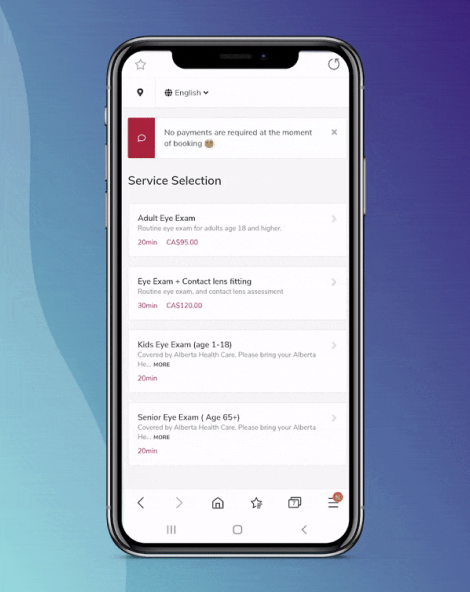
Ready to see what prescription sunglasses feel like? Book an eye exam online at see.charmoptical.ca, or give us a call at (780) 490-0090. We're happy to answer any questions you have.
Frequently Asked Questions About Prescription Sunglasses
Are prescription sunglasses worth the extra cost?
For most people who wear glasses and spend time outdoors or behind the wheel, yes. They combine vision correction with proper UV protection and glare reduction in a single, comfortable pair. The convenience factor alone — not having to juggle clip-ons, transitions, or fit-overs — makes them worthwhile for daily use. The real question isn't whether they're "worth it" in general, but whether your lifestyle involves enough outdoor time to justify them. For most Edmonton residents, the answer is yes.
Can any sunglasses frame be made into prescription sunglasses?
Most frames can accommodate prescription lenses, but not all. Very curved wraparound frames (like some Oakley sport models) require special lens technology to avoid distortion. Extremely small or rimless frames may not work with stronger prescriptions because the lenses become too thick at the edges. When you visit us, we'll tell you upfront if a frame will work well with your prescription — no surprises after the fact.
How long do prescription sunglasses take to make?
Standard single-vision prescription sunglasses are typically ready in 5-7 business days. Progressive (multifocal) lenses or specialty orders (very strong prescriptions, mirror coatings, high-index materials) may take 10-14 business days. Rush orders are sometimes possible depending on the lab and lens type.
Do prescription sunglasses block UV light?
All prescription sunglass lenses we sell at Charm Optical block 100% of UV-A and UV-B radiation. This is non-negotiable for any reputable optical shop. The tint darkness and UV protection are actually separate properties — a dark lens that doesn't block UV is more dangerous than wearing no sunglasses at all, because the dark tint dilates your pupils, letting more UV reach your retina. Always buy from an optical professional, not a street vendor.
Should I get polarized prescription sunglasses?
If you drive regularly, spend time near water, or deal with snow glare (which covers most Edmontonians), polarized lenses are worth the upgrade. They specifically block reflected glare, which standard tinted lenses don't do. The only situation where you might avoid polarized is if you need to read LCD screens frequently (pilots, some equipment operators) or if you ski downhill and need to read icy terrain texture. For everyday use and driving, polarized is the better choice.
Can I use my regular glasses prescription for sunglasses?
Yes. Your eyeglass prescription works for sunglasses — the optical correction is the same. The only addition is the tint and any coatings you choose. Just make sure your prescription is current (within 1-2 years). If you need an updated prescription, eye exams at Charm Optical start at $99, and you can book online.
Does insurance cover prescription sunglasses in Alberta?
Most employer vision plans cover prescription sunglasses the same way they cover regular glasses — they're both classified as corrective eyewear. At Charm Optical, we direct bill Alberta Blue Cross, Canada Life, Desjardins, AISH, and Alberta Works. Coverage amounts vary by plan, but many cover $200-500 per person every 1-2 years. Some plans offer separate "second pair" coverage that works perfectly for sunglasses.
What's the difference between cheap sunglasses and optical-grade prescription sunglasses?
Cheap sunglasses from gas stations or dollar stores often don't block UV properly, even if the sticker says they do. There's no quality control. Optical-grade prescription sunglasses are made from materials that block 100% of UV, ground to your exact prescription, coated to reduce reflections, and fitted to your face. The lens clarity, durability, and actual eye protection are in a completely different category.