

What Happens During a Comprehensive Eye Exam? Step-by-Step Guide for Edmonton Patients
What Happens During a Comprehensive Eye Exam? Step-by-Step Guide for Edmonton Patients
Written by the Charm Optical Team • April 7, 2026
- What Is a Comprehensive Eye Exam?
- Eye Exam vs. Vision Screening
- The 8 Steps of Your Eye Exam in Edmonton
- Tests Performed During a Comprehensive Exam
- How Often Should Edmonton Residents Get an Eye Exam?
- Kids Under 19 & Seniors 65+ — Alberta Health Coverage
- Cost, Insurance & Direct Billing in Edmonton
- What to Bring to Your Appointment
- What Happens After Your Exam?
- Finding a Comprehensive Eye Exam Near Me
- Frequently Asked Questions
If you've never had a comprehensive eye exam — or it's been a few years since your last one — you might be wondering what actually happens once you sit in that exam chair. Do they blow air into your eyes? Will things look blurry for hours afterward? Is the whole thing going to take all morning?
Here's the short answer: a comprehensive eye exam is one of the most straightforward medical appointments you'll ever have. It's painless, usually takes 30 to 45 minutes, and it checks far more than just whether you need glasses.
We put this guide together for our Edmonton patients at Charm Optical, but the information applies to anyone in Alberta. Below, you'll find every step of the exam explained in plain English, how much it costs, what insurance covers, and how often you actually need one.
What Is a Comprehensive Eye Exam?
A comprehensive eye exam is a full assessment of your eye health and vision. It goes well beyond reading letters off a chart. Your optometrist examines the internal and external structures of your eyes, checks for signs of disease, measures how well your eyes work together, and determines your prescription for glasses or contact lenses if you need them.
The Canadian Association of Optometrists recommends comprehensive exams as the standard of care because they can catch conditions like glaucoma, macular degeneration, and diabetic eye disease years before you notice any symptoms.
Think of it this way: a vision screening tells you whether you can see the board. A comprehensive eye exam tells you whether your eyes are healthy.
Eye Exam vs. Vision Screening — What's the Difference?
This is one of the most common points of confusion we hear from patients at our Ellerslie location. A vision screening (the kind you might get at a school, walk-in clinic, or driver's licence office) only tests visual acuity — how clearly you see at a distance.
A comprehensive eye exam includes visual acuity testing plus a full battery of diagnostic tests. Here's how they compare:
| Feature | Vision Screening | Comprehensive Eye Exam |
|---|---|---|
| Visual acuity (reading letters) | Yes | Yes |
| Prescription determination | No | Yes |
| Eye pressure (glaucoma check) | No | Yes |
| Retinal examination | No | Yes |
| Eye muscle coordination | No | Yes |
| Colour vision testing | Sometimes | Yes |
| Disease detection (diabetes, hypertension) | No | Yes |
| Performed by | Technician or nurse | Licensed optometrist |
| Average duration | 5–10 minutes | 30–45 minutes |
Bottom line: a screening might catch obvious problems. A comprehensive exam catches the ones you don't see coming.
The 8 Steps of Your Eye Exam in Edmonton
Every optometry clinic runs things slightly differently, but here's what a typical comprehensive eye exam looks like at our South Edmonton location. We'll walk through each step so there are no surprises.
Step 1: Patient History
Your exam starts with a conversation. The optometrist asks about your current vision concerns, any medications you take, your family's eye health history, and how you use your eyes day to day. Spend a lot of time on screens? Work outdoors? Drive at night? These details help the doctor tailor the exam to your life.
Step 2: Visual Acuity Testing
This is the part most people picture when they think "eye exam." You read letters or numbers from a projected chart, one eye at a time and then both together. The results are recorded as a fraction (like 20/20). If you already wear glasses or contacts, you'll usually be tested with and without your current correction.
Step 3: Refraction (Finding Your Prescription)
The optometrist uses a phoropter — that large instrument with all the lenses — and asks you to compare options. "Which is clearer, one or two?" You've probably heard that before. This process narrows down your exact prescription for nearsightedness, farsightedness, and astigmatism. There's no wrong answer; just pick whichever looks sharper to you.
Step 4: Eye Muscle and Coordination Testing
Your optometrist checks how well your eyes work as a team. They'll have you follow a light or pen with your eyes while keeping your head still. This reveals problems with eye alignment, tracking, and focusing ability — issues that often cause headaches, reading difficulty, or eye strain during computer work.
Step 5: Eye Pressure Measurement (Tonometry)
Elevated eye pressure is one of the early warning signs of glaucoma, a condition that can damage your optic nerve and lead to permanent vision loss if untreated. Modern tonometers use a quick, gentle puff of air or a small probe that touches the eye surface for a fraction of a second. It's startling the first time but genuinely painless.
Step 6: Slit Lamp Examination
The optometrist uses a slit lamp — a specialized microscope with a bright light — to examine the front structures of your eye in high magnification. This includes your cornea, iris, and lens. The slit lamp can reveal scratches, cataracts, infections, and other conditions invisible to the naked eye.
Step 7: Retinal Examination (Fundoscopy)
This is where your optometrist looks at the back of your eye: the retina, optic nerve, and blood vessels. Your pupils may be dilated with special drops to give the doctor a wider view. Dilation temporarily makes your eyes sensitive to light and blurs your near vision for a few hours, so bring sunglasses.
Retinal imaging is particularly important because the blood vessels in your retina can show early signs of systemic conditions like diabetes and high blood pressure — sometimes before other symptoms appear. The American Academy of Ophthalmology considers this one of the most valuable components of a comprehensive exam.
Step 8: Discussion and Recommendations
After all the tests, the optometrist reviews findings with you. They'll explain your prescription, discuss any concerns, and recommend a follow-up schedule. If you need new glasses or contacts, this is when you get your updated prescription.
At Charm Optical, our opticians are right next door to the exam room — so if you want to browse frames or try on styles the same day, you can do that without making a separate trip.
Tests Performed During a Comprehensive Eye Exam
Here's a quick reference of the main diagnostic tests and what each one evaluates:
| Test | What It Measures | What It Detects |
|---|---|---|
| Visual acuity | Clarity of vision at distance and near | Refractive errors (myopia, hyperopia) |
| Refraction | Exact lens prescription | Nearsightedness, farsightedness, astigmatism |
| Tonometry | Intraocular pressure | Glaucoma risk |
| Slit lamp exam | Front eye structures (cornea, iris, lens) | Cataracts, corneal damage, infections |
| Fundoscopy / retinal exam | Retina, optic nerve, blood vessels | Diabetic retinopathy, macular degeneration, hypertension |
| Cover test | Eye alignment and coordination | Strabismus, convergence insufficiency |
| Colour vision test | Ability to distinguish colours | Colour vision deficiency |
| Pupil response test | Pupillary reaction to light | Neurological conditions, optic nerve damage |
| Visual field test | Peripheral (side) vision | Glaucoma, retinal detachment, brain lesions |
Not every test is performed at every visit. Your optometrist selects the appropriate combination based on your age, health history, and risk factors.
How Often Should Edmonton Residents Get a Comprehensive Eye Exam?
The Canadian Association of Optometrists publishes clear guidelines on exam frequency by age group. Here's what they recommend:
| Age Group | Recommended Frequency | Alberta Health Coverage |
|---|---|---|
| Infants (6–9 months) | First exam by 6–9 months | Covered |
| Children (2–5 years) | At least one exam before school | Covered (under 19) |
| School-age children (6–18) | Every year | Covered (under 19) |
| Adults (19–39) | Every 2 years | Not covered by Alberta Health |
| Adults (40–64) | Every 2 years (annually if higher risk) | Not covered by Alberta Health |
| Seniors (65+) | Every year | Covered |
| Diabetic patients (any age) | At least annually | Covered |
If you have a family history of glaucoma, wear contact lenses, take medications that affect your eyes, or work in a visually demanding job, your optometrist may recommend more frequent visits regardless of your age.
Many Edmonton residents we see at Charm Optical are overdue simply because they didn't realise their prescription had drifted or because they assumed "my eyes feel fine" meant everything was healthy. Eye disease doesn't always announce itself with symptoms.
Kids Under 19 & Seniors 65+ — Alberta Health Coverage for Edmonton Families
Alberta Health covers the cost of a comprehensive eye exam for two groups:
- Children and youth under 19: One complete eye exam per year at no charge. This is especially important for school-age kids. Vision problems are one of the most under-diagnosed issues affecting classroom performance, and children rarely complain about blurry vision because they assume everyone sees the way they do.
- Seniors 65 and older: Annual comprehensive eye exams are covered. As we age, the risk of cataracts, glaucoma, and macular degeneration increases significantly. Catching these early makes all the difference.
Patients with diabetes at any age also qualify for annual coverage, since diabetic retinopathy is a leading cause of vision loss in Canada.
For adults aged 19 to 64 without diabetes, Alberta Health does not cover routine eye exams. That said, most workplace insurance plans include vision care benefits (more on that below).
Comprehensive Eye Exam Cost & Insurance in Edmonton
At Charm Optical, a comprehensive eye exam is $99. That includes the full diagnostic workup described above — visual acuity, refraction, tonometry, slit lamp, retinal examination, and discussion with the optometrist.
If you have workplace or private insurance, your eye exam may be partially or fully covered. We offer direct billing to the following providers, which means you pay little to nothing out of pocket at the time of your visit:
- Alberta Blue Cross
- Canada Life (formerly Great-West Life)
- Desjardins Insurance
- AISH (Assured Income for the Severely Handicapped)
- Alberta Works
If your provider isn't listed here, give us a call at (780) 490-0090. We can usually check your coverage while you're on the phone and let you know exactly what to expect before you come in.
The cost of not getting an eye exam is worth considering too. Conditions like glaucoma cause irreversible damage when left undetected. A $99 exam today can save you from far more expensive — and far less pleasant — treatments down the road.
What to Bring to Your Eye Exam Appointment
To make your visit as smooth as possible, here's a quick checklist:
- Your current glasses or contact lenses (even if the prescription is old)
- Your insurance card or benefit plan details for direct billing
- Alberta Health Care card (if you're under 19, 65+, or diabetic)
- A list of medications you currently take (some affect your eyes)
- Sunglasses — if your pupils are dilated, you'll want them for the drive home
- Your questions — write them down so you don't forget in the moment
If possible, try not to schedule anything visually demanding right after a dilated exam. Your near vision may be blurry for two to four hours afterward. Some patients ask a friend or family member to drive them home, though most people manage fine on their own.
What Happens After Your Comprehensive Eye Exam?
Once your exam wraps up, you'll have a clear picture of your eye health and your prescription. From there, the path depends on your needs:
- New prescription? Browse our collection of frames from brands like Ray-Ban, Gucci, Oakley, Maui Jim, Burberry, and more. Our opticians help you find frames that fit your face shape, lifestyle, and budget.
- Contact lenses? If you're interested in contacts, the optometrist can add a contact lens fitting to your visit. We carry daily, biweekly, and monthly options from major brands and ship across Canada.
- Everything looks healthy? You'll get a recommended follow-up date and you're on your way.
- Something needs attention? Your optometrist will explain the finding, discuss treatment options, and refer you to a specialist if needed.
Your prescription is yours to keep. Alberta law requires optometrists to release your prescription after your exam, so you're always free to fill it wherever you like. We'd love for you to choose Charm Optical, but that's your call.
Finding a Comprehensive Eye Exam Near Me in South Edmonton
If you're searching for an "eye exam near me" in the Edmonton area, Charm Optical is located at 5035 Ellerslie Rd SW, Edmonton, AB T6X 1X2. We're in the Ellerslie area of South Edmonton, easily accessible from Summerside, Walker, Rutherford, and Windermere — with plenty of free parking right outside our door.
We serve patients from across the city, including families coming from Millwoods, Terwillegar, Riverbend, and downtown Edmonton. Whether you live nearby or are willing to make the drive, you're always welcome.
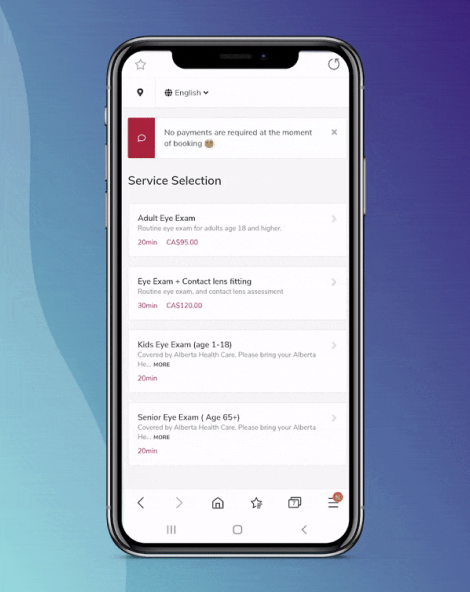
Booking is simple: visit see.charmoptical.ca to pick a time that works for you, or call us at (780) 490-0090. Same-day appointments are often available when the doctor is in.
Frequently Asked Questions About Comprehensive Eye Exams
How long does a comprehensive eye exam take?
Most comprehensive eye exams take 30 to 45 minutes. If your pupils need to be dilated, add another 20 to 30 minutes of waiting time for the drops to take effect. Plan for about an hour total to be safe.
Does a comprehensive eye exam hurt?
No. The entire exam is painless. The air puff test (tonometry) can feel surprising the first time, but there's no pain involved. If dilation drops are used, you might feel a mild stinging sensation for a few seconds — that's it.
Can I drive after a dilated eye exam?
Most people can drive after dilation, though your near vision will be blurry and your eyes will be light-sensitive for two to four hours. Sunglasses help significantly. If you're uncomfortable with reduced vision while driving, arrange a ride or book an appointment later in the day so you can head straight home.
Are eye exams covered by Alberta Health?
Alberta Health covers annual comprehensive eye exams for children under 19, seniors 65 and older, and patients with diabetes. Adults aged 19 to 64 without these conditions are not covered by Alberta Health but are often covered through employer insurance plans. At Charm Optical, we direct bill to Alberta Blue Cross, Canada Life, Desjardins, AISH, and Alberta Works.
How much does an eye exam cost at Charm Optical?
A comprehensive eye exam at Charm Optical costs $99. If you have insurance with one of our direct billing partners, your out-of-pocket cost may be reduced or eliminated entirely. Call us at (780) 490-0090 and we can check your coverage before your appointment.
What's the difference between an optometrist and an ophthalmologist?
An optometrist is a doctor of optometry (OD) who performs comprehensive eye exams, prescribes glasses and contacts, and diagnoses and manages many eye conditions. An ophthalmologist is a medical doctor (MD) who specializes in eye surgery and treats complex or surgical eye conditions. Your optometrist will refer you to an ophthalmologist if your situation requires it.
Should I get my child's eyes examined before they start school?
Absolutely. The Canadian Association of Optometrists recommends a first eye exam between 6 and 9 months of age, another between ages 2 and 5, and then annually once they start school. Children rarely tell you they can't see properly — they assume blurry is normal. A pre-school eye exam can catch issues that affect learning, reading, and attention before they become problems in the classroom. Remember, exams for kids under 19 are covered by Alberta Health at no cost to you.
Ready to Book Your Eye Exam?
Charm Optical is your neighbourhood optical store in South Edmonton. Comprehensive eye exams are $99, and we direct bill to most major insurance providers.
Book online: see.charmoptical.ca
Call us: (780) 490-0090
Visit us: 5035 Ellerslie Rd SW, Edmonton, AB T6X 1X2