
Diabetic Eye Exams:
Protecting Your Vision
Diabetes can affect your vision in ways you can't feel or see — until it's too late. An annual dilated eye exam is the single best way to catch diabetic eye disease early. At Charm Optical, diabetic eye exams are covered by Alberta Health Care at any age.
How Diabetes Affects Your Eyes
High blood sugar from diabetes can damage the tiny blood vessels in the retina — the light-sensitive tissue at the back of your eye. This condition is called diabetic retinopathy, and it's the leading cause of vision loss among working-age Canadians.

The Dangerous Part? No Early Symptoms.
In the early stages, diabetic retinopathy causes no pain and no vision changes. You can feel perfectly fine while damage is occurring inside your eye. By the time symptoms appear — blurry vision, dark spots, or vision loss — the disease may have already progressed significantly.
That's why every major diabetes and eye care organization recommends annual dilated eye exams for anyone with diabetes — type 1, type 2, or gestational.
An eye exam can sometimes detect signs of diabetes even before you've been diagnosed. Your optometrist can spot changes in your retinal blood vessels that signal blood sugar problems.
Diabetes and Eye Health in Canada
Canadians live with diabetes (type 1 or type 2)
Diabetes Canada
Of diabetics will develop retinopathy over time
National Eye Institute
Diabetes increases your risk of cataracts and glaucoma
National Eye Institute
Of severe vision loss can be prevented with early detection
Canadian Ophthalmological Society
Stages of Diabetic Retinopathy
Diabetic retinopathy progresses through stages. The earlier it's caught, the easier it is to manage. Here's what your optometrist is looking for.
Mild Non-Proliferative
Small swellings (microaneurysms) appear in the retinal blood vessels. Usually no symptoms. Detected during a routine dilated eye exam.
Moderate Non-Proliferative
More blood vessels become blocked, reducing blood flow to the retina. The retina begins to be deprived of nutrients. Still often symptom-free.
Severe Non-Proliferative
Many blood vessels are blocked. The retina sends signals to the body to grow new blood vessels. Vision changes may begin to appear.
Proliferative (Advanced)
New, fragile blood vessels grow on the retina's surface. These can leak blood into the eye, causing floaters, dark spots, or sudden vision loss. Immediate treatment needed.
Alberta Health Coverage for Diabetic Patients
If you have diabetes, your annual eye exam is fully covered by Alberta Health Care — regardless of your age. No referral is needed. Just book online and let us know you're diabetic when you arrive. We'll perform a thorough dilated retinal examination.
What Happens During a Diabetic Eye Exam?
A diabetic eye exam at Charm Optical includes everything in a comprehensive exam, plus a detailed retinal assessment to check for diabetic changes.
- Dilation — We use eye drops to widen your pupils so we can get a clear view of your retina and the blood vessels behind your eye.
- Retinal imaging — High-resolution photographs of your retina help us document and track any changes over time.
- Optic nerve assessment — We check the health of your optic nerve, since diabetes also increases glaucoma risk.
- Eye pressure measurement — Elevated eye pressure can indicate glaucoma, which diabetics are at higher risk for.
- Prescription update — We update your glasses or contact lens prescription as part of the same visit.
Important: Bring a Driver
Dilation makes your vision blurry and sensitive to light for 3–4 hours. We strongly recommend bringing someone to drive you home from your appointment. Sunglasses help with the light sensitivity.
Personalized Treatment for Diabetic Eye Disease
Every case of diabetic retinopathy is different — the stage, severity, and your overall health all play a role in determining the right approach. There is no one-size-fits-all treatment.
Our Optometrist Will Guide You
At Charm Optical, our optometrist will carefully review your individual case — including your retinal imaging, medical history, and overall eye health — and recommend the best path forward for your specific condition. If specialized treatment is needed, we'll refer you to an ophthalmologist who can provide the right care with the right equipment. No two patients are the same, and neither is our approach to your treatment.
Whether your condition calls for closer monitoring, lifestyle changes, or a referral for advanced care — we'll walk you through every step and make sure you understand your options. Book your diabetic eye exam and let's take care of your eyes together.
How to Protect Your Vision with Diabetes
Annual Dilated Eye Exams
This is the most important step. An annual exam can catch retinopathy years before symptoms appear. If you have diabetes, you should be getting your eyes checked every year — it's covered by Alberta Health.
Control Your A1C
Work with your doctor to keep your A1C at your target level. Studies show that every 1% reduction in A1C reduces the risk of retinopathy progression by 35–40%.
Manage Blood Pressure & Cholesterol
High blood pressure damages retinal blood vessels alongside diabetes. Keeping both under control provides double protection for your eyes.
Stay Active & Eat Well
Regular exercise and a balanced diet help control blood sugar naturally. Even moderate daily activity like walking makes a meaningful difference.
Diabetic Eye Exam — Common Questions
I have Type 2 diabetes but my vision seems fine. Do I still need a diabetic eye exam?
Absolutely — and this is the most important thing to understand. Diabetic retinopathy has no symptoms in its early stages. You can feel great and see fine while damage is happening inside your eye. The only way to catch it is with a dilated exam. It's covered by Alberta Health for all diabetics, so there's no cost to you. Book your exam — it could save your sight.
How is a diabetic eye exam different from a regular eye exam?
A diabetic eye exam includes everything in a standard comprehensive exam (vision check, prescription update, eye pressure) plus a thorough dilated retinal assessment. Your pupils are dilated so your optometrist can examine the back of your eye in detail, looking for damaged blood vessels, swelling, or early signs of retinopathy. We also take retinal photos for documentation.
Is the diabetic eye exam covered by Alberta Health?
Yes — one comprehensive eye exam per year is fully covered by Alberta Health Care for anyone diagnosed with diabetes, regardless of age. You don't need a referral. Just book online and mention your diabetes at check-in.
Can diabetic eye damage be reversed?
In mild cases, better blood sugar control can stabilize and sometimes improve early retinopathy. In advanced cases, treatments like anti-VEGF injections and laser therapy can halt progression and preserve remaining vision — but they generally cannot restore vision that's already been lost. That's why early detection through annual exams is so critical.
I was recently diagnosed with pre-diabetes. Should I get an eye exam?
Yes — establishing a baseline is smart. While pre-diabetes carries lower risk than full diabetes, getting your eyes examined now gives us a reference point. If you do develop diabetes in the future, we'll have baseline photos and measurements to compare against. Book an exam at Charm Optical.
Have Diabetes? Book Your Annual Eye Exam.
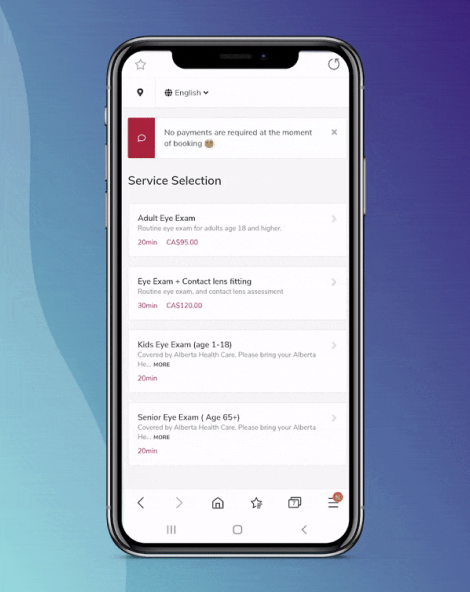
Diabetic eye exams are covered by Alberta Health Care — no referral needed, any age. At Charm Optical, we'll check your retinal health, update your prescription, and make sure your eyes are in good shape. Book online in 30 seconds.
Book Your Diabetic Eye ExamLast updated: March 2026