
Glaucoma: The Silent
Thief of Sight
Glaucoma damages your optic nerve gradually — usually without symptoms — and is the second leading cause of blindness worldwide. There's no cure, but early detection through regular eye exams can preserve your vision for life.
What Is Glaucoma?
Glaucoma is a group of eye diseases that damage the optic nerve — the cable that carries visual information from your eye to your brain. In most cases, this damage is caused by elevated pressure inside the eye, though it can also occur at normal pressure levels.

Why It's Called the "Silent Thief"
The most common form — open-angle glaucoma — develops so slowly that most people don't notice any change in their vision until significant damage has occurred. You lose peripheral (side) vision first, and since both eyes can compensate for each other, the loss often goes undetected for years.
By the time you notice something is wrong, up to 40% of your optic nerve fibres may already be damaged. That damage is permanent and irreversible.
The only reliable way to catch glaucoma early is through a comprehensive eye exam that includes eye pressure measurement and optic nerve evaluation.
Glaucoma in Canada — What the Data Shows
Canadians are estimated to have glaucoma
CNIB / Tham et al., Ophthalmology 2014 [1][4]
Of people with glaucoma don't know they have it
National Eye Institute [2]
Leading cause of irreversible blindness worldwide
WHO World Report on Vision, 2019 [5]
Different Types — Different Risks
Not all glaucoma is the same. Understanding the types helps you know what your optometrist is screening for.
Open-Angle Glaucoma
The most common type (about 90% of cases). The drainage angle in the eye remains open, but the trabecular meshwork doesn't drain fluid efficiently. Pressure builds up slowly, damaging the optic nerve over years. No early symptoms.
Angle-Closure Glaucoma
The iris bulges forward and blocks the drainage angle suddenly. This is a medical emergency — intense eye pain, headache, nausea, halos around lights, and sudden vision loss. Requires immediate treatment.
Normal-Tension Glaucoma
Optic nerve damage occurs even though eye pressure is within normal range. This is why eye pressure alone isn't enough — your optometrist also evaluates the optic nerve directly.
Who Is Most at Risk for Glaucoma?
While anyone can develop glaucoma, certain factors increase your risk significantly. If you have one or more of these, annual screening is especially important.
Risk multiplier relative to general population.
Read more at the National Eye Institute (NEI)
Screening Recommendation
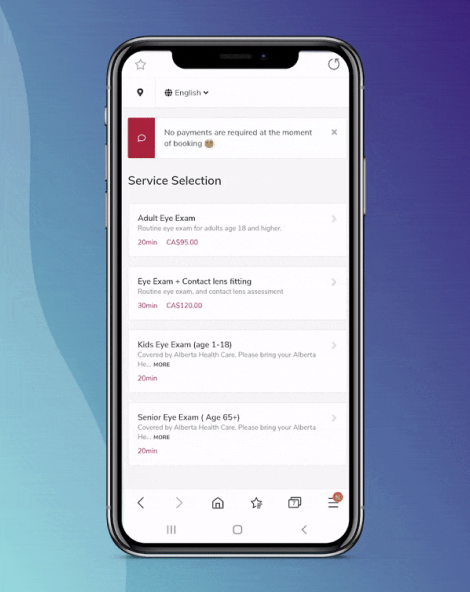
The Canadian Association of Optometrists recommends comprehensive eye exams every 1–2 years for adults over 40, and annually for those over 65 or with risk factors. At Charm Optical, seniors 65+ are covered by Alberta Health Care — book your exam.
How We Screen for Glaucoma
Glaucoma screening is part of every comprehensive eye exam at Charm Optical. Here's what we check.
Tonometry (Eye Pressure)
We measure the pressure inside your eyes using non-contact or applanation tonometry. While high pressure is a risk factor, normal pressure doesn't rule out glaucoma — that's why we don't stop here.
Optic Nerve Evaluation
Using a slit lamp and specialized lenses, your optometrist examines the optic nerve head for signs of damage — cupping, pallor, or asymmetry between eyes. Retinal photos document any changes.
Visual Field Testing
If glaucoma is suspected, we perform visual field testing to map your peripheral vision. This detects blind spots you may not notice in daily life — a hallmark of glaucoma damage.
How Is Glaucoma Treated?
There's no cure for glaucoma — but treatment can halt progression and preserve your remaining vision. The key is catching it early, before irreversible damage occurs.
Prescription Eye Drops
The most common first-line treatment. Medicated eye drops reduce eye pressure by either decreasing fluid production or improving drainage. Used daily, they're effective and well-tolerated for most patients.
Laser Treatment
Laser trabeculoplasty improves fluid drainage from the eye. It's a quick, painless in-office procedure that can reduce the need for daily eye drops. Often used when drops alone aren't sufficient.
Surgery
When other treatments aren't enough, surgical options create new drainage pathways for fluid. Procedures like trabeculectomy and MIGS (minimally invasive glaucoma surgery) can effectively lower eye pressure.
Treatment Cannot Restore Lost Vision
All glaucoma treatments aim to preserve remaining vision by lowering eye pressure. Vision that's already been lost to optic nerve damage cannot be recovered. This is why early detection is so important — the earlier we start treatment, the more vision we can save. Book your screening exam.
Glaucoma — Common Questions
What happens if glaucoma is detected — will I be referred to a specialist?
Yes. If our optometrist detects signs of glaucoma during your eye exam, we will refer you to an ophthalmologist — a specialist with the advanced training and equipment to evaluate your case in detail and manage treatment. Our role is to detect it early, monitor your overall eye health, and coordinate your care. The specialist clinic will handle the clinical management from there.
How long does it take to see the specialist after a referral?
We want to be upfront with you — we cannot guarantee when the specialist will reach out, as wait times depend on the clinic and the urgency of your case. Here's what to generally expect:
- Urgent or significant cases: approximately 2 months
- Non-urgent or early-stage cases: up to 5–8 months waiting time
Unfortunately, contacting us at Charm Optical will not speed up your position in the specialist's queue. If you'd like to follow up on your referral, you'll need to contact the specialist clinic directly. Give us a call at (780) 490-0090 and we'll provide you with the name and contact information of the clinic handling your referral.
I have no symptoms — how could I have glaucoma?
That's exactly the problem — open-angle glaucoma (the most common type) typically has no symptoms until it's advanced. You lose peripheral vision so gradually that your brain fills in the gaps. Half of people with glaucoma don't know they have it. The only way to know is through a comprehensive eye exam that includes pressure measurement and optic nerve evaluation. Book your exam at Charm Optical.
My eye pressure is normal — can I still have glaucoma?
Yes. Normal-tension glaucoma is a real condition where optic nerve damage occurs even with eye pressure in the "normal" range. That's why your optometrist doesn't rely on pressure alone — we also directly examine your optic nerve and, if needed, test your visual field. A comprehensive exam looks at the whole picture.
My parent has glaucoma. What should I do?
Having a parent or sibling with glaucoma increases your risk 4–9 times. We recommend annual comprehensive eye exams starting at age 40 (or earlier if you have other risk factors). Let your optometrist know about your family history — it changes how we screen. At Charm Optical, we'll establish a baseline and monitor you closely.
Is glaucoma screening covered in Alberta?
Glaucoma screening is included in every comprehensive eye exam. Seniors 65+ and children under 19 have their eye exams covered by Alberta Health Care. Adults 19–64 pay $99 for a comprehensive exam — most private insurance plans cover this. We direct bill to 30+ providers at Charm Optical.
Can glaucoma be prevented?
Currently, there's no proven way to prevent glaucoma. However, you can prevent vision loss from glaucoma by catching it early through regular eye exams. When detected early, treatment (usually eye drops) can effectively control the condition and preserve your vision. Think of it like managing blood pressure — you can't cure it, but you can keep it under control.
Stay Ahead of Glaucoma
The best defence against glaucoma is regular eye exams. At Charm Optical, every comprehensive exam includes glaucoma screening — eye pressure measurement, optic nerve evaluation, and more. Don't wait for symptoms. Book online in 30 seconds.
Book Your Eye Exam OnlineLast updated: March 2026