

Daily vs Monthly Contact Lenses in 2026: Cost, Comfort, and Eye Health Compared
Daily vs Monthly Contact Lenses in 2026: Cost, Comfort, and Eye Health Compared
Written by the Charm Optical Team • April 7, 2026
- What Are Daily Disposable Contact Lenses?
- What Are Monthly Contact Lenses?
- Daily vs Monthly Contacts: Side-by-Side Comparison
- Real Cost Breakdown for Edmonton Contact Lens Wearers
- Brand-by-Brand Pricing Table
- Comfort in Edmonton's Climate: Why It Matters
- Eye Health and Safety Differences
- Who Should Wear Dailies vs Monthlies?
- Insurance and Direct Billing in Edmonton
- Buying Contact Lenses Near Me: Edmonton Options
- Canada-Wide Shipping From Our Edmonton Store
- Frequently Asked Questions
Choosing between daily and monthly contact lenses is one of the most common decisions new (and experienced) lens wearers face. Both have genuine advantages, and the right choice depends on your eyes, your lifestyle, and your budget.
We fit contact lenses every day at Charm Optical in South Edmonton, and here's what we've learned: there is no single "best" contact lens. There's only the best lens for you. This guide breaks down exactly how daily disposable contact lenses and monthly contact lenses compare on cost, comfort, and eye health so you can walk into your next fitting with a clear idea of what you want.
If you're shopping for contact lenses in Edmonton, bookmark this page. We update our pricing and brand availability regularly.
What Are Daily Disposable Contact Lenses?
Daily disposable lenses are exactly what they sound like: you open a fresh, sterile lens each morning, wear it for the day, and throw it away before bed. No cleaning solution, no lens case, no overnight storage.
Each lens comes individually sealed in its own blister pack with sterile saline. You never reuse a daily lens. This makes them the most hygienic option available, since protein deposits, bacteria, and allergens never have time to build up on the lens surface.
Popular daily disposable brands we carry include:
- Acuvue Oasys 1-Day (Johnson & Johnson) — HydraLuxe technology for all-day moisture
- Dailies Total1 (Alcon) — water gradient design with nearly 100% water content at the surface
- Biotrue ONEday (Bausch + Lomb) — inspired by natural tear chemistry, excellent for dry-eye prone wearers
Dailies are sold in boxes of 30 or 90 lenses (per eye), meaning a 90-pack lasts roughly three months for one eye if you wear them every day.
What Are Monthly Contact Lenses?
Monthly lenses are designed to be worn for up to 30 days before being replaced. You remove them each night, clean and disinfect them with multipurpose solution, and store them in a lens case. The next morning, you put the same pair back in.
Because you're reusing the same lens for a full month, proper cleaning and storage are essential. Skipping steps increases the risk of eye infections and discomfort, especially toward the end of each lens's lifespan.
Top monthly contact lens brands we fit at our Ellerslie location:
- Biofinity (CooperVision) — Aquaform technology, one of the most breathable monthly lenses on the market
- Air Optix plus HydraGlyde (Alcon) — SmartShield surface for consistent moisture throughout the month
- Total30 (Alcon) — water gradient monthly lens, the closest monthly experience to wearing a daily
Monthly lenses are sold in boxes of 6 lenses (per eye). One box lasts six months for one eye.
Daily vs Monthly Contacts: Side-by-Side Comparison
Here's how the two types stack up across the factors that matter most:
| Factor | Daily Disposables | Monthly Lenses |
|---|---|---|
| Replacement schedule | New lens every day | Replace every 30 days |
| Cleaning required | None | Nightly cleaning & storage |
| Annual cost (everyday wear) | $500 – $900+ | $200 – $400 + solution |
| Comfort (fresh lens feel) | Excellent — fresh every morning | Good early; may decline week 3–4 |
| Infection risk | Lowest | Higher (lens case contamination) |
| Convenience | No supplies needed beyond lenses | Need solution, lens case, routine |
| Best for part-time wearers | Yes — only pay for days you wear | No — lens expires in 30 days regardless |
| Dry eye friendliness | Better — no deposit buildup | Deposits reduce moisture over time |
| Environmental impact | More plastic waste (blister packs) | Less waste per lens |
| Travel friendly | Very — no liquids to pack | Need to carry solution |
Real Cost Breakdown for Edmonton Contact Lens Wearers
Price is usually the first question people ask, so let's address it head-on. The perception is that dailies are always more expensive. That's true for everyday wearers, but the gap is smaller than most people think once you factor in solution costs. And for part-time wearers, dailies can actually be cheaper.
Everyday wearer (365 days/year)
An everyday daily lens wearer goes through roughly 720 lenses per year (one per eye, per day). At typical Canadian pricing, that runs between $500 and $900 annually depending on the brand.
Monthly lens wearers need 24 lenses per year (one per eye, per month). The lenses themselves cost $200 to $400 annually. Add another $60 to $100 per year for multipurpose solution, and you're looking at $260 to $500 total.
Part-time wearer (3 days/week)
This is where dailies become the smarter financial choice. If you only wear contacts for sports, weekends, or social events, you're using roughly 300 lenses per year instead of 720. Your annual cost drops to $200 to $375.
A monthly lens wearer still opens a fresh pair every 30 days whether they've worn them three times that month or thirty. The cost stays at $260 to $500 regardless. Part-time wearers essentially waste 60–70% of their monthly lens's usable life.
Don't forget the eye exam
A contact lens prescription requires a fitting in addition to your standard eye exam. At Charm Optical, a contact lens exam and fitting is $135 CAD, and a standard eye exam is $99 CAD (as of July 2026). The $135 fee is flat, so factor the fitting in when you compare total costs across providers.
Brand-by-Brand Contact Lens Pricing in Edmonton
Prices vary by retailer, but here are typical Canadian price ranges for the most popular brands we carry. These reflect standard sphere (non-toric, non-multifocal) lenses.
| Brand | Type | Price Per Box | Annual Cost (Both Eyes) |
|---|---|---|---|
| Acuvue Oasys 1-Day (90-pack) | Daily | $95 – $115 | $760 – $920 |
| Dailies Total1 (90-pack) | Daily | $100 – $120 | $800 – $960 |
| Biotrue ONEday (90-pack) | Daily | $70 – $90 | $560 – $720 |
| Biofinity (6-pack) | Monthly | $50 – $65 | $200 – $260 |
| Air Optix plus HydraGlyde (6-pack) | Monthly | $55 – $70 | $220 – $280 |
| Total30 (6-pack) | Monthly | $60 – $75 | $240 – $300 |
Prices are approximate and may vary. Toric (astigmatism) and multifocal versions typically cost 20–40% more. Ask us for exact pricing on your prescription.
For a deeper breakdown of what contacts cost across Canada, see our full guide: How Much Do Contact Lenses Cost in Canada?
Comfort in Edmonton's Dry Winters: Why Lens Type Matters
Anyone who has lived through an Edmonton winter knows that indoor air becomes brutally dry once the furnace kicks on in October and doesn't stop until April. Relative humidity in Alberta homes can drop below 20% during January and February. That's drier than the Sahara.
Dry air pulls moisture from your contact lenses throughout the day. With monthly lenses, this problem compounds over the lens's 30-day lifespan. Protein and lipid deposits accumulate on the lens surface, reducing its ability to retain moisture. By week three or four, a monthly lens in an Edmonton winter can feel noticeably less comfortable than it did on day one.
Daily disposable lenses sidestep this problem entirely. You start each morning with a fresh, fully hydrated lens. There's no buildup, no degradation. When we see patients in Windermere, Summerside, or Heritage Valley complaining about dry, scratchy lenses by late afternoon, switching from monthlies to dailies resolves the issue more often than not.
A 2016 study published in Contact Lens and Anterior Eye found that daily disposable lenses were associated with significantly higher comfort scores compared to reusable lenses, particularly in wearers reporting dryness symptoms. For Edmonton's climate, this finding is especially relevant.
If you're set on monthly lenses despite our winters, look for silicone hydrogel options like Biofinity or Total30. These materials allow more oxygen to reach your cornea and tend to resist drying better than older hydrogel materials. Using preservative-free rewetting drops throughout the day also helps.
Eye Health and Safety: What the Research Shows
The single biggest risk factor for contact lens infections isn't the lens itself. It's how the lens is handled and stored. Monthly lenses require a daily cleaning routine: rub the lens with solution, rinse, store in fresh solution overnight, and replace the lens case every three months. Miss any of those steps, and bacteria can colonize the lens and case.
The American Academy of Ophthalmology estimates that nearly half of contact lens wearers engage in at least one behaviour that increases their infection risk, including sleeping in lenses, topping off old solution, and rinsing lenses with tap water.
Daily disposable lenses remove most of these risk factors from the equation. There is no case to contaminate, no solution to run low on, and no temptation to stretch a lens beyond its intended life. A meta-analysis in Optometry and Vision Science confirmed that daily disposable wearers have significantly lower rates of microbial keratitis (a serious corneal infection) compared to reusable lens wearers.
That said, monthly lenses worn correctly are perfectly safe. The key is discipline: follow the cleaning routine every single night, never sleep in lenses not approved for overnight wear, and replace your lenses and case on schedule. If you're someone who is diligent about hygiene, monthlies are a reliable and safe option.
Allergies and contact lenses
Edmonton's spring allergy season (typically May through July) brings pollen, dust, and airborne irritants that stick to contact lens surfaces. Dailies are strongly preferred during allergy season because you discard the pollen-coated lens at the end of the day. Monthly lens wearers often notice increased irritation, redness, and itching during these months because allergens accumulate on the lens despite cleaning.
Who Should Wear Dailies vs Monthlies?
There's no universal answer, but patterns emerge clearly from the patients we see at our Ellerslie Road location.
Dailies are usually the better choice if you:
- Wear contacts part-time (weekends, sports, events)
- Have dry eyes or find lenses uncomfortable by late afternoon
- Suffer from seasonal allergies
- Travel frequently and want zero maintenance
- Have a history of eye infections or tend to skip cleaning steps
- Are fitting contact lenses for the first time (simpler routine, fewer things to learn)
Monthly lenses make more sense if you:
- Wear contacts every single day and want to minimize annual cost
- Are comfortable with a nightly cleaning routine and stick to it consistently
- Have a prescription not available in daily format (some high-power or specialty lenses only come in monthly)
- Prefer to reduce plastic waste from packaging
Many of our patients in Rutherford and South Edmonton end up trying both before settling on one. That's completely normal, and it's one reason the $135 CAD contact lens exam and fitting is a single flat fee rather than a fee that climbs with every trial lens.
Insurance Coverage for Contact Lenses in Edmonton
Most employer insurance plans in Alberta include some level of contact lens coverage. The amount and structure vary by plan, but here's what we commonly see:
- Alberta Blue Cross: Most plans cover $200–$300 per person every two years for contacts or glasses (you choose one or the other)
- Canada Life (formerly Great-West Life): Typically $150–$300 every 24 months, depending on the plan tier
- Desjardins: Coverage varies widely by group plan, but many include $200+ for vision care including contacts
- AISH: Provides optical benefits for eligible Albertans, including coverage for contact lenses when medically necessary
- Alberta Works: Coverage available for eligible clients for essential vision needs
At Charm Optical, we direct bill to all five of these providers. That means you pay only your portion at the register rather than submitting receipts and waiting for reimbursement. If you're unsure what your plan covers, call us at (780) 490-0090 and we'll check your coverage before you come in.
One thing worth knowing: insurance typically covers the same dollar amount whether you choose daily or monthly lenses. So if your plan covers $250 toward contacts, that $250 applies regardless of lens type. It may cover your full annual supply of monthlies or a significant portion of your daily supply.
Buying Contact Lenses Near Me in Edmonton
If you've been searching for "contact lenses near me" in Edmonton, you've probably seen results from big-box stores, online retailers, and independent opticals. Here's what to consider.
Big-box stores and online-only retailers can offer low per-box prices, but they rarely include the fitting, follow-up care, or the ability to troubleshoot comfort issues in person. If your lenses don't feel right two weeks in, you're on your own.
At Charm Optical, your contact lens journey starts with a proper fitting during your eye exam. We assess your tear film, corneal curvature, and lens movement before recommending a specific brand and material. After you take your lenses home, we follow up to make sure the fit and comfort are right. If the first lens we try isn't perfect, we switch brands or parameters at no extra charge until we get it right.
Our store is at 5035 Ellerslie Rd SW, Edmonton, AB T6X 1X2, right in the Ellerslie area of South Edmonton. We're easy to reach from Summerside, Walker, Windermere, Heritage Valley, Rutherford, and the rest of southwest Edmonton.
We Ship Contact Lenses Across Canada
Not in Edmonton? No problem. We ship contact lenses to addresses across Canada. Orders over $99 ship free. Since most contact lens orders involve at least a few boxes, the majority of our customers qualify for free shipping without trying.
You can order by phone at (780) 490-0090 or through our contact lens collection online. You'll need a valid, current contact lens prescription from any optometrist in Canada.
Reorders are simple. Once we have your prescription on file, you can call or message us when you're running low and we'll ship your next supply within one business day.
Frequently Asked Questions About Daily and Monthly Contact Lenses
Can I switch from monthly to daily contact lenses?
Yes. This is one of the most common switches we handle. Your optometrist will adjust your prescription during a brief fitting, since daily and monthly lenses have different base curves and diameters even at the same power. That reassessment is part of the $135 CAD contact lens exam and fitting at Charm Optical.
Are daily contact lenses better for dry eyes?
Generally, yes. Daily lenses start fresh each morning with full hydration, so there's no buildup of protein or lipid deposits that reduce moisture over time. This makes a real difference for Edmonton residents dealing with our dry winter air from October through March. Brands like Dailies Total1 and Biotrue ONEday are specifically designed for moisture retention and are popular among our patients with dry-eye symptoms.
How long can I actually wear daily lenses in one day?
Most daily lenses are approved for 12 to 16 hours of wear per day. The exact number depends on the brand and your individual tear chemistry. Remove them before sleeping. If you regularly need lenses for longer than 14 hours, mention this during your fitting so your optometrist can recommend a lens with higher oxygen transmissibility.
Is it safe to nap in monthly contact lenses?
Only if your specific monthly lens is approved for extended (overnight) wear and your optometrist has cleared you for it. Most monthly lenses are approved for daily wear only, meaning you should remove them before sleeping. Sleeping in non-approved lenses significantly increases the risk of corneal infection and oxygen deprivation. When in doubt, take them out.
Do I still need an eye exam if I'm just reordering the same contacts?
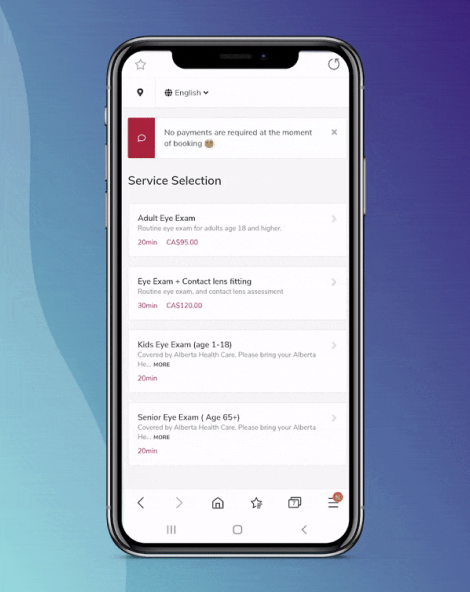
Yes. Contact lens prescriptions in Canada expire after one to two years depending on your province and your optometrist's recommendation. In Alberta, most prescriptions are valid for one year. An annual eye exam ensures your prescription is still accurate and that your lenses aren't causing any issues you might not notice yourself. Book your exam online at see.charmoptical.ca.
Are contact lenses covered by Alberta Health?
Alberta Health does not cover contact lenses for most adults. However, children under 19 and seniors 65+ have their eye exams covered, which can reduce the overall cost. Contact lenses themselves are typically covered through employer insurance plans. Charm Optical direct bills to Alberta Blue Cross, Canada Life, Desjardins, AISH, and Alberta Works.
What's the most affordable daily contact lens?
Biotrue ONEday by Bausch + Lomb is consistently one of the most affordable daily disposable lenses in Canada, with 90-packs starting around $70. For the price, the comfort and moisture retention are hard to beat. It's a great starting point for first-time daily wearers.
Ready to Find Your Perfect Contact Lens?
Our $135 CAD contact lens exam and fitting covers everything a contact lens prescription needs. We'll help you find the right lens for your eyes, your lifestyle, and your budget. We direct bill to Alberta Blue Cross, Canada Life, Desjardins, AISH, and Alberta Works.
Book online: see.charmoptical.ca
Call us: (780) 490-0090
Visit us: 5035 Ellerslie Rd SW, Edmonton, AB T6X 1X2