
Glaucoma Explained: The Silent Condition That Steals Your Vision (Edmonton Eye Health Guide)
Glaucoma Explained: The Silent Condition That Steals Your Vision (Edmonton Eye Health Guide)
Glaucoma doesn't warn you. There's no pain, no blurriness, no red flags in the mirror. By the time most people notice something is wrong — a narrowing of their peripheral vision, trouble seeing at night, bumping into things they used to notice — the damage is already permanent. That's why eye care professionals call glaucoma "the silent thief of sight." It is the second leading cause of irreversible blindness worldwide, according to the American Academy of Ophthalmology.
The good news? A routine glaucoma eye exam at your optometrist's office can catch it years before you'd ever notice symptoms on your own. And when caught early, glaucoma treatment can slow or even halt the progression entirely. If you live in Edmonton and haven't had your eyes checked in a while, this guide explains exactly what glaucoma is, who's at risk, and why a simple eye pressure test could save your sight.
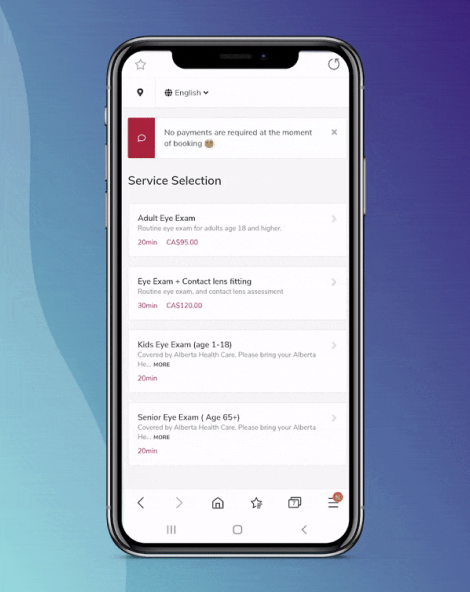
We offer comprehensive eye exams for $99 at Charm Optical (5035 Ellerslie Rd SW, Edmonton, AB T6X 1X2). Book online or call us at (780) 490-0090.
What's in This Guide
- What Is Glaucoma, Exactly?
- Types of Glaucoma: Open-Angle vs. Angle-Closure (Comparison Table)
- Glaucoma Symptoms — Why You Won't Feel It Until It's Too Late
- Who Gets Glaucoma? Risk Factors Every Edmonton Resident Should Know
- The Eye Pressure Test (IOP): What Happens During Screening in Edmonton
- Glaucoma Treatment Options: From Eye Drops to Surgery
- Alberta Health Coverage, Insurance, and Eye Exam Costs
- Living with Glaucoma in Edmonton: Practical Tips
- Glaucoma Eye Exams Near Me in Edmonton
- Frequently Asked Questions About Glaucoma
What Is Glaucoma, Exactly?
Glaucoma is a group of eye conditions that damage the optic nerve — the cable that carries visual information from your eye to your brain. In most cases, this damage is caused by abnormally high pressure inside the eye, called intraocular pressure (IOP).
Think of it like a kitchen sink. Your eye constantly produces a clear fluid called aqueous humour, which flows through the pupil and drains through a tiny mesh-like channel near the edge of the iris. When that drainage system gets partially blocked, fluid builds up, pressure increases, and over time the increased pressure compresses and damages the optic nerve fibres.
The tricky part: your optic nerve doesn't regenerate. Once nerve fibres are destroyed, the vision they carried is gone. Forever. That's why early detection through regular eye exams matters so much. A 2014 meta-analysis published in Ophthalmology found that up to 50% of people with glaucoma in developed countries don't know they have it.
Types of Glaucoma: Open-Angle vs. Angle-Closure in Edmonton
Not all glaucoma behaves the same way. The two main types — open-angle and angle-closure — differ in how they develop, how fast they progress, and how urgently they need treatment.
| Feature | Open-Angle Glaucoma | Angle-Closure Glaucoma | Normal-Tension Glaucoma |
|---|---|---|---|
| How common | ~90% of all cases | ~10% of cases | Subset of open-angle |
| How it develops | Gradual, over years | Can be sudden (acute attack) or gradual | Gradual, like open-angle |
| Eye pressure | Usually elevated | Often very high during acute attack | Normal range (below 21 mmHg) |
| Early symptoms | None | Acute: severe eye pain, nausea, halos around lights | None |
| Pain | No | Yes (acute attack is a medical emergency) | No |
| Vision loss pattern | Peripheral vision first, then central | Can affect central vision quickly | Peripheral vision first |
| Who's most at risk | Adults over 60, African descent | East Asian and Southeast Asian descent, farsighted eyes | Japanese descent, people with low blood pressure |
| Detection method | Routine IOP + optic nerve exam | Gonioscopy (angle exam) | Optic nerve imaging (OCT) |
Open-Angle Glaucoma: The Slow Thief
Open-angle glaucoma is by far the most common form, accounting for roughly 90% of cases. The drainage angle where the iris meets the cornea stays physically open, but the microscopic drainage channels within it become less efficient over time. Pressure builds gradually — so gradually that you won't feel it. You won't notice the peripheral vision loss until a significant amount of optic nerve damage has already occurred.
This is the type that earns glaucoma its "silent thief" reputation. Someone living in Ellerslie or Summerside could have open-angle glaucoma for a decade without a single symptom.
Angle-Closure Glaucoma: The Emergency
Angle-closure glaucoma happens when the iris physically bulges forward and blocks the drainage angle almost completely. In an acute angle-closure attack, eye pressure skyrockets within hours. You'll know something is very wrong: intense eye pain, headache, nausea, vomiting, blurred vision, and seeing rainbow-coloured halos around lights.
An acute attack is a genuine medical emergency. Without treatment within hours, permanent vision loss can result. If you experience these symptoms, go to the nearest emergency room immediately — the Royal Alexandra Hospital or the Kaye Edmonton Clinic both have ophthalmology services.
Normal-Tension Glaucoma
This one puzzles researchers. In normal-tension glaucoma, the optic nerve is damaged even though eye pressure measures within the normal range (typically under 21 mmHg). It suggests that some optic nerves are simply more vulnerable to pressure, or that other factors — reduced blood flow to the optic nerve, for example — play a role. A 2017 review in Survey of Ophthalmology highlighted that normal-tension glaucoma may account for up to 30-40% of all glaucoma cases in certain populations.
This is why eye pressure alone isn't enough for screening. Your optometrist also needs to directly examine the optic nerve and, ideally, image it with OCT (optical coherence tomography).
Glaucoma Symptoms — Why You Won't Feel It Until It's Too Late
Here's the reality that makes glaucoma so dangerous: in the most common form (open-angle), there are zero early symptoms. None. No pain, no redness, no blurriness. Your central vision — the part you use for reading, driving, and recognizing faces — stays sharp until the disease is quite advanced.
What goes first is your peripheral (side) vision. And because your brain is remarkably good at compensating (your other eye fills in the gaps, and your brain ignores the missing patches), you genuinely don't notice the loss. People with moderate glaucoma can pass their driver's licence vision test and have no idea anything is wrong.
Late-Stage Symptoms (Don't Wait for These)
By the time glaucoma causes noticeable symptoms, significant and irreversible nerve damage has occurred:
- Tunnel vision — your peripheral vision narrows until you feel like you're looking through a tube
- Bumping into objects on your left or right side
- Difficulty driving, especially merging or checking blind spots
- Missing things at the edge of your visual field — someone approaching from the side, a ball coming from the periphery
- Trouble with stairs and depth perception
If you're reading this and thinking "I should probably get my eyes checked," you're right. And you don't need to wait for a referral. In Alberta, you can book directly with an optometrist. Book an eye exam at Charm Optical — we check for glaucoma as part of every comprehensive exam.
Who Gets Glaucoma? Risk Factors Every Edmonton Resident Should Know
Glaucoma can affect anyone, but some people are significantly more likely to develop it. Knowing your risk factors helps you and your optometrist decide how often you should be screened.
| Risk Factor | How It Affects Risk | What to Do |
|---|---|---|
| Age 60+ | Risk increases 6x after age 60 | Annual eye exams are essential |
| Family history | 4-9x higher risk if a parent or sibling has glaucoma | Start screening by age 40 (or earlier) |
| African or Caribbean descent | 3-4x more likely, tends to develop earlier | Begin screening by age 35 |
| East Asian descent | Higher risk of angle-closure glaucoma specifically | Ask about gonioscopy at your exam |
| Diabetes | Nearly 2x the risk of open-angle glaucoma | Annual dilated exam is critical |
| High myopia (nearsightedness) | 2-3x higher risk; the elongated eyeball shape may stress the optic nerve | Discuss glaucoma risk with your optometrist |
| High eye pressure (IOP > 21 mmHg) | Major risk factor, though not all high-pressure eyes develop glaucoma | Regular monitoring — sometimes treated preventively |
| Long-term steroid use | Steroid eye drops and oral steroids can raise IOP | Inform your optometrist of all medications |
| Previous eye injury | Trauma can damage drainage structures years later | Mention any old injuries at your exam |
| Thin central cornea | May cause IOP readings to appear falsely low | Pachymetry (corneal thickness) testing |
Why This Matters in Edmonton
Edmonton is one of Canada's most diverse cities. In neighbourhoods like Millwoods, Terwillegar, and the Ellerslie area, the patient mix at our clinic reflects that diversity — and so do the risk profiles. We see patients of African, South Asian, East Asian, and Indigenous descent, all of whom may face elevated glaucoma risk for different reasons.
If you have two or more risk factors from the table above, the Canadian Association of Optometrists recommends annual comprehensive eye exams starting at age 40 (or earlier, depending on your specific risk profile).
The Eye Pressure Test (IOP): What Happens During Screening in Edmonton
When people say "glaucoma test," they usually mean the intraocular pressure (IOP) test — also known as tonometry. But a proper glaucoma screening involves more than just checking pressure. Here's what to expect during a comprehensive eye exam at Charm Optical.
1. Tonometry (Eye Pressure Measurement)
This is the classic "puff of air" test — though modern optometry offices often use Goldmann applanation tonometry or handheld devices that are more accurate and less startling than the old air-puff machines. A small probe gently touches the surface of your numbed cornea (you won't feel it) and measures how much force is needed to flatten a tiny area. Normal IOP ranges from 10-21 mmHg.
2. Optic Nerve Evaluation
Your optometrist uses a high-powered lens to look directly at your optic nerve head (the "disc") at the back of your eye. They're checking for a characteristic pattern called "cupping" — as glaucoma damages nerve fibres, the cup (the central depression in the disc) gets larger relative to the overall disc size. This cup-to-disc ratio is a key indicator.
3. OCT Imaging (Optical Coherence Tomography)
OCT is like an MRI for your retina. It uses light waves to create detailed cross-sectional images of your retinal nerve fibre layer — the actual nerve tissue that glaucoma damages. OCT can detect thinning of this layer before you notice any vision changes, sometimes years before. This is the gold standard for early detection.
4. Visual Field Test (Perimetry)
If your optometrist suspects glaucoma, you may take a visual field test. You'll look straight ahead into a machine while small lights flash in your peripheral vision. Every time you see a flash, you press a button. The machine maps your entire field of vision and identifies any blind spots or areas of reduced sensitivity.
5. Gonioscopy
A special lens is placed on the surface of your eye (after numbing drops) to examine the drainage angle directly. This determines whether you have an open or narrow angle and helps classify the type of glaucoma.
The entire screening process is painless and takes about 15-20 minutes as part of a full eye exam. At Charm Optical in South Edmonton, we include all of these tests as needed — there's no extra charge for glaucoma screening within our $99 comprehensive exam.
Glaucoma Treatment Options: From Eye Drops to Surgery
Glaucoma treatment can't restore vision that's already lost. The goal is to lower eye pressure enough to slow or stop further optic nerve damage. Most people start with the least invasive option and escalate only if needed.
Prescription Eye Drops
Eye drops are the first-line treatment for most glaucoma patients. Several classes of drops work in different ways:
- Prostaglandin analogues (latanoprost, travoprost, bimatoprost) — increase fluid outflow. Usually dosed once daily at bedtime. Most common first choice.
- Beta-blockers (timolol) — reduce fluid production. Often used as an add-on to prostaglandins.
- Alpha-agonists (brimonidine) — both reduce production and increase outflow.
- Carbonic anhydrase inhibitors (dorzolamide) — reduce fluid production. Available as drops or oral medication.
- Rho kinase inhibitors (netarsudil) — newer class that increases outflow through the trabecular meshwork.
The challenge with drops? Compliance. You need to use them every single day, often for the rest of your life. Studies show that roughly 40-60% of glaucoma patients don't use their drops as prescribed, which directly affects outcomes.
Laser Treatment (SLT)
Selective Laser Trabeculoplasty (SLT) has become increasingly popular as either a first-line treatment or an addition to drops. A laser targets the drainage tissue in the trabecular meshwork, improving fluid outflow. The procedure takes about 5-10 minutes, is performed in-office, and most patients experience no pain. Effects last 3-5 years and can be repeated.
SLT is particularly appealing for patients who struggle with daily eye drops or who experience side effects from the medication.
Minimally Invasive Glaucoma Surgery (MIGS)
MIGS procedures use tiny devices or micro-incisions to improve drainage. They're often combined with cataract surgery and include options like the iStent, Hydrus Microstent, and XEN Gel Stent. Recovery is faster than traditional surgery, with fewer complications.
Traditional Surgery (Trabeculectomy)
For advanced or aggressive glaucoma that doesn't respond to other treatments, a surgeon creates a new drainage pathway. This is more invasive but can achieve significant pressure reduction. It's typically performed by a glaucoma subspecialist at a facility like the Royal Alexandra Hospital here in Edmonton.
Your optometrist coordinates the treatment plan and monitors your progress over time. If you need surgical intervention, they'll refer you to an ophthalmologist who specialises in glaucoma. At Charm Optical, we work with glaucoma specialists across Edmonton to make sure our patients get the right care at the right time.
Alberta Health Coverage, Insurance, and Eye Exam Costs in Edmonton
One of the most common questions we hear: "Does Alberta Health cover my eye exam?" The answer depends on your age, your health status, and whether you have supplemental insurance.
Alberta Health Care Insurance Plan (AHCIP)
Alberta Health covers comprehensive eye exams for:
- Children and youth (0-18 years) — annual exams covered
- Seniors (65 and older) — annual exams covered
- Patients with medical eye conditions — including diagnosed glaucoma, diabetes-related eye disease, and other conditions that require ongoing monitoring
If you've been diagnosed with glaucoma, your follow-up eye exams are medically necessary and covered by Alberta Health. You won't pay out of pocket for monitoring visits related to your glaucoma management.
For adults aged 19-64 without a qualifying medical condition, Alberta Health does not cover routine eye exams. Our fee is $99 for a comprehensive exam — which includes glaucoma screening (tonometry, optic nerve evaluation, and any additional testing your optometrist deems necessary).
Insurance and Direct Billing
Most employer insurance plans cover all or part of a routine eye exam, typically every 12 or 24 months. At Charm Optical, we direct-bill these providers:
- Alberta Blue Cross
- Canada Life (formerly Great-West Life)
- Desjardins Insurance
- AISH (Assured Income for the Severely Handicapped)
- Alberta Works
Direct billing means you don't pay upfront and wait for reimbursement — we submit the claim for you. Bring your insurance card to your appointment and we'll handle the rest.
What About Glasses After a Glaucoma Diagnosis?
Glaucoma itself doesn't usually change your glasses prescription. But if you wear corrective lenses, your prescription may still shift over time for normal age-related reasons. Your insurance likely covers a portion of new prescription glasses every 12-24 months. We carry frames from brands like Ray-Ban, Oakley, Gucci, Burberry, and Calvin Klein — plus budget-friendly options starting at $55.
Living with Glaucoma in Edmonton: Practical Tips
A glaucoma diagnosis is not a vision death sentence. Most people who are diagnosed early and treated consistently maintain functional vision for life. Here are some practical things to keep in mind.
Keep Your Appointments
Glaucoma management is a long game. Your optometrist needs to see you regularly — typically every 3-6 months initially, then every 6-12 months once your pressure is stable. Skipping appointments is one of the biggest risk factors for progression.
Take Your Drops Consistently
If you're prescribed eye drops, set an alarm. Keep your drops on your nightstand or next to your toothbrush. Missing doses, especially with prostaglandin analogues that are dosed once daily, leads to pressure spikes that can cause additional nerve damage.
Protect Your Eyes Year-Round
UV exposure and glare don't cause glaucoma, but protecting your eyes from bright light and impact injuries is still good practice. Edmonton's winters bring intense glare off snow, and summers can be surprisingly bright at our northern latitude. Quality sunglasses with UV protection help — stop by and browse our collection or ask us about prescription sunglasses.
Driving Considerations
Moderate to advanced glaucoma can affect your ability to drive safely, particularly your peripheral vision. Alberta requires a minimum visual field for driver's licencing. If your visual field narrows, your optometrist will discuss this with you honestly. Early treatment helps preserve the visual field you need for safe driving on Henday, Whitemud, and everywhere else in Edmonton.
Stay Active
Regular aerobic exercise has been shown to modestly reduce intraocular pressure. Walking, cycling, swimming — anything that gets your heart rate up. Edmonton has fantastic river valley trails, and the Terwillegar Park and Mill Creek Ravine trails are great year-round options.
Glaucoma Eye Exams Near Me in Edmonton
If you're searching for a glaucoma eye exam near me in Edmonton, Charm Optical is located at 5035 Ellerslie Rd SW, Edmonton, AB T6X 1X2 — in the Ellerslie area of South Edmonton. We're easy to get to from Summerside, Rutherford, Walker, Windermere, and other surrounding neighbourhoods. Free parking is available right outside our door.
Every comprehensive eye exam at Charm Optical includes glaucoma screening. We don't charge extra for the IOP test, optic nerve evaluation, or any additional testing your optometrist decides you need based on your risk profile.
- Exam fee: $99 (Alberta Health covers exams for diagnosed glaucoma patients, children under 19, and seniors 65+)
- Direct billing: Alberta Blue Cross, Canada Life, Desjardins, AISH, Alberta Works
- Book online: see.charmoptical.ca
- Call us: (780) 490-0090
Same-day appointments are often available when the doctor is in. Check availability online or give us a call — we're happy to help.
Frequently Asked Questions About Glaucoma
Can glaucoma be cured?
No. There is currently no cure for glaucoma, and vision lost to optic nerve damage cannot be recovered. However, treatment — usually with eye drops, laser, or surgery — can effectively lower eye pressure and slow or stop further damage. Most people who are diagnosed early and follow their treatment plan keep useful vision for their entire lives.
How often should I get checked for glaucoma in Alberta?
The Canadian Association of Optometrists recommends a comprehensive eye exam every 1-2 years for adults aged 19-64, and annually for anyone over 65. If you have risk factors (family history, diabetes, high myopia, or African/East Asian descent), annual exams starting at age 40 are strongly recommended. Children should have their first exam by age 3 and annually during school years.
Does the eye pressure test (puff of air) hurt?
No. Modern tonometry is painless. The "air puff" test (non-contact tonometry) feels like a brief gust of air on your eye — surprising the first time, but not painful. Goldmann applanation tonometry, which is more accurate, uses numbing drops so you feel nothing at all. Neither method takes more than a few seconds per eye.
Can young people get glaucoma?
Yes. While glaucoma is far more common after age 60, it can occur at any age. Juvenile open-angle glaucoma affects teenagers and young adults, and congenital glaucoma is present at birth. Young adults with high myopia, a family history of glaucoma, or a history of eye injuries should be screened regularly. If you're in your 20s or 30s with risk factors, don't assume you're too young — get checked.
Is glaucoma hereditary?
Genetics play a significant role. Having a first-degree relative (parent or sibling) with glaucoma increases your risk 4-9 times compared to the general population. Multiple genes have been identified, but glaucoma is complex — not everyone with the genetic predisposition will develop it. If glaucoma runs in your family, mention it at your next eye exam so your optometrist can tailor the screening accordingly.
What's the difference between glaucoma and cataracts?
They're completely different conditions, though both become more common with age. Cataracts involve clouding of the eye's natural lens — like looking through a foggy window. Cataracts are reversible with surgery. Glaucoma involves damage to the optic nerve, usually from elevated eye pressure, and the vision loss is permanent. You can have both conditions simultaneously, and cataract surgery can sometimes be combined with MIGS glaucoma procedures.
Does cannabis treat glaucoma?
This is a common question. While cannabis can temporarily lower eye pressure (by about 25% for 3-4 hours), it's not considered an effective treatment. You would need to use it 6-8 times per day to maintain consistent pressure reduction, and the systemic side effects — including lowered blood pressure, which can actually reduce blood flow to the optic nerve — may do more harm than good. The American Academy of Ophthalmology does not recommend cannabis as a glaucoma treatment. Modern eye drops are far more effective and targeted.
Your vision is worth protecting. Glaucoma screening is part of every comprehensive eye exam at Charm Optical. Whether you're due for a routine check or have risk factors that warrant closer monitoring, we're here to help.
Book your eye exam online | Call (780) 490-0090 | Visit us at 5035 Ellerslie Rd SW, Edmonton
Written by the Charm Optical Team. Last updated April 2026. This article is for educational purposes and does not replace professional medical advice. Always consult your optometrist for diagnosis and treatment.