
Diabetic Eye Disease: Why Every Diabetic in Alberta Needs Annual Eye Exams (Edmonton Guide)
Diabetic Eye Disease: Why Every Diabetic in Alberta Needs Annual Eye Exams
More than 10% of Albertans live with diabetes. That number grows every year, and so does the number of people at risk for diabetic retinopathy — the leading cause of blindness in working-age Canadians. The scary part? It can steal your vision without a single warning sign.
If you have Type 1 or Type 2 diabetes and you are not getting annual dilated eye exams, you are gambling with your eyesight. This guide covers exactly what diabetic eye disease is, what it does to your vision, what Alberta covers, and where to get screened in Edmonton.
What This Guide Covers
- What Is Diabetic Eye Disease?
- The 4 Stages of Diabetic Retinopathy
- Risk Factors for Diabetic Eye Damage
- Why You Cannot Rely on Symptoms
- What Happens During a Diabetic Eye Exam in Edmonton
- Alberta Health Coverage for Diabetic Eye Exams
- Insurance and Direct Billing at Charm Optical
- Protecting Your Vision With Diabetes
- Diabetic Eye Exam Near Me in Edmonton
- Frequently Asked Questions
What Is Diabetic Eye Disease?
Diabetic eye disease is a group of conditions that affect people with diabetes. The most common — and most dangerous — is diabetic retinopathy. It happens when high blood sugar damages the tiny blood vessels in your retina, the light-sensitive tissue at the back of your eye.
Over time, these damaged blood vessels can leak fluid, swell, or close off entirely. In advanced stages, new abnormal blood vessels grow on the retina's surface. These fragile new vessels bleed easily, which can cause severe vision loss or blindness.
Other forms of diabetic eye disease include:
- Diabetic macular oedema (DME) — swelling in the macula (the central part of the retina responsible for sharp, straight-ahead vision)
- Cataracts — people with diabetes develop cataracts earlier and more frequently
- Glaucoma — diabetes roughly doubles your risk of open-angle glaucoma
According to Diabetes Canada, diabetic retinopathy affects roughly 500,000 Canadians. Among those with diabetes for 20 years or more, nearly all people with Type 1 and over 60% of people with Type 2 will develop some degree of retinopathy.
The 4 Stages of Diabetic Retinopathy: What Happens Inside Your Eye
Diabetic retinopathy progresses through four stages. Understanding these stages helps explain why annual screening is not optional — it is essential.
| Stage | What Happens | Symptoms | Treatment |
|---|---|---|---|
| Stage 1: Mild Nonproliferative | Small areas of balloon-like swelling (microaneurysms) form in the retina's blood vessels. Minor leakage may occur. | None. Vision is normal. | Blood sugar control and monitoring. Annual eye exams. |
| Stage 2: Moderate Nonproliferative | Some blood vessels feeding the retina become blocked. More microaneurysms and small haemorrhages appear. | Usually none. Occasionally mild blurring. | Tighter diabetes management. Exams every 6–12 months. |
| Stage 3: Severe Nonproliferative | Many blood vessels are blocked, starving sections of the retina of blood supply. The retina sends signals to grow new vessels. | May notice blurry vision or floaters. | Close monitoring (every 3–4 months). Anti-VEGF injections may begin. Laser treatment considered. |
| Stage 4: Proliferative Diabetic Retinopathy (PDR) | New, fragile blood vessels grow on the retina and into the vitreous (gel filling the eye). These vessels leak blood, cause scar tissue, and can lead to retinal detachment. | Floaters, dark spots, sudden vision loss, distorted vision. | Urgent treatment: anti-VEGF injections, laser photocoagulation, vitrectomy surgery. Risk of permanent blindness without treatment. |
Source: American Academy of Ophthalmology — Diabetic Retinopathy
The progression from Stage 1 to Stage 4 can take years. Or it can accelerate quickly with poorly controlled blood sugar. The point is: you will not feel Stage 1 or Stage 2. By the time symptoms appear, you may already be at Stage 3 or 4.
Who Is Most at Risk? Key Risk Factors for Diabetic Eye Disease
Every person with diabetes has some risk of developing retinopathy. But certain factors increase that risk significantly.
| Risk Factor | Why It Matters | What You Can Do |
|---|---|---|
| Duration of diabetes | The longer you have had diabetes, the higher your risk. After 20 years, the majority will have some retinopathy. | Get annual exams starting from diagnosis (Type 2) or within 5 years (Type 1). |
| Poor blood sugar control (high HbA1c) | Chronically elevated blood sugar accelerates vessel damage. Each 1% drop in HbA1c reduces retinopathy risk by up to 40%. | Work with your diabetes care team to keep HbA1c at or below your target. |
| High blood pressure | Hypertension puts extra stress on already-damaged retinal blood vessels, speeding progression. | Monitor blood pressure regularly. Target below 130/80 mmHg. |
| High cholesterol | Elevated lipids contribute to hard exudates (fatty deposits) on the retina and macular oedema. | Discuss statin therapy and dietary changes with your doctor. |
| Pregnancy | Gestational changes can accelerate diabetic retinopathy. Women with pre-existing diabetes face higher risk during pregnancy. | Get an eye exam before or early in pregnancy and monitor closely throughout. |
| Smoking | Smoking damages blood vessels and reduces oxygen delivery to the retina. | Quit smoking. Alberta Health Services offers free cessation support. |
| Indigenous, South Asian, or African ancestry | These populations have higher rates of Type 2 diabetes and often face barriers to regular screening. | Prioritize annual screening. Explore NIHB coverage if applicable (requires pre-approval). |
If two or more of these factors apply to you, talk to your optometrist about whether you should be screened more frequently than once a year.
Why You Cannot Rely on Symptoms: The Silent Threat
This is the most important thing to understand about diabetic retinopathy: you will not feel it happening.
In Stages 1 and 2, your vision can be perfectly clear while blood vessels in your retina are already leaking and swelling. You might pass a standard vision test with flying colours. You might read every line on the chart. And behind that sharp vision, damage is quietly accumulating.
A 2021 study published in JAMA Ophthalmology found that up to 40% of people newly diagnosed with Type 2 diabetes already had detectable retinopathy at the time of their diabetes diagnosis. They had no idea.
This is exactly why organizations like the American Academy of Ophthalmology and Diabetes Canada do not say "get an eye exam if you notice vision changes." They say get an annual dilated eye exam regardless of symptoms.
By the time you see floaters, dark spots, or blurry patches, your retinopathy has likely progressed to Stage 3 or 4. Treatment at that point is more invasive, more expensive, and less likely to restore the vision you have lost.
What Happens During a Diabetic Eye Exam in Edmonton
A diabetic eye exam is more thorough than a standard vision check. Here is what to expect when you come in for screening at Charm Optical in south Edmonton.
Before the Exam
Bring your Alberta Health Care card and a list of your current medications. If you track your HbA1c or blood sugar levels, that information helps your optometrist assess your overall risk. You will not need a referral — you can book directly.
During the Exam
- Visual acuity test — reading letters on a chart to check your current vision
- Dilation — drops are placed in your eyes to widen your pupils, giving the optometrist a clear view of the retina
- Retinal examination — using specialized equipment, the optometrist examines the blood vessels, optic nerve, and macula for signs of damage
- Digital retinal imaging — high-resolution photographs of your retina create a detailed record that can be compared year to year
- Intraocular pressure check — screening for glaucoma, which diabetics are at higher risk for
After the Exam
Your vision will be blurry for 2 to 4 hours from the dilation drops. Bring sunglasses or have someone drive you home. Your optometrist will discuss the findings with you before you leave and send a report to your family doctor or endocrinologist if needed.
The entire appointment takes about 30 to 45 minutes. That half-hour could save your sight.
Alberta Health Coverage for Diabetic Eye Exams
Here is the good news: if you have diabetes and an Alberta Health Care card, your eye exam is covered by AHCIP (Alberta Health Care Insurance Plan) regardless of your age.
Standard eye exams in Alberta are only covered for children (under 19) and seniors (65+). But diabetic eye exams are classified as medically necessary, which means coverage applies to every Albertan with diabetes — whether you are 25 or 75.
What You Need
- A valid Alberta Health Care card
- A confirmed diabetes diagnosis (Type 1, Type 2, or gestational)
- That is it. No referral needed. No paperwork on your end.
At Charm Optical, we bill AHCIP directly for medically necessary diabetic eye exams. You do not need to pay out of pocket and wait for reimbursement. If you need additional vision services (updated glasses, contact lenses, or specialty eyewear), those can be billed to your employer insurance plan.
Insurance and Direct Billing at Charm Optical Edmonton
Beyond Alberta Health coverage, many Edmontonians have employer or private insurance that covers eye exams, glasses, and contact lenses. We direct bill the following providers so you do not have to deal with claim forms:
- Alberta Blue Cross
- Canada Life (formerly Great-West Life)
- Desjardins Insurance
- AISH (Assured Income for the Severely Handicapped)
- Alberta Works
If you have diabetes and employer insurance, you may be able to use both AHCIP (for the medical eye exam) and your private plan (for glasses or contacts). We help patients navigate this all the time — give us a call at (780) 490-0090 and we will sort out what is covered before your appointment.
A comprehensive eye exam at Charm Optical is $99. With AHCIP coverage for diabetic exams, most patients pay nothing out of pocket for the exam itself.
Protecting Your Vision When You Have Diabetes
Annual eye exams are the foundation. But there are things you can do every day to lower your risk of diabetic eye disease progressing.
Blood Sugar Management
This is the single most important factor. The landmark Diabetes Control and Complications Trial (DCCT) proved that intensive blood sugar control reduces the risk of developing retinopathy by 76% in Type 1 diabetes. Similar results have been shown for Type 2.
Talk to your diabetes care team about your HbA1c target. Even small improvements make a measurable difference.
Blood Pressure and Cholesterol
High blood pressure and elevated cholesterol both accelerate retinal damage. Managing these alongside blood sugar gives your retinal blood vessels the best chance of staying healthy.
Quit Smoking
Smoking constricts blood vessels and reduces oxygen flow to the retina. If you smoke and have diabetes, your retinopathy risk is significantly higher. Alberta Health Services offers free quit-smoking programs — ask your doctor or call Health Link at 811.
Wear UV-Protective Eyewear
UV exposure adds cumulative stress to eyes already under strain from diabetes. Polarized sunglasses with 100% UV protection are a smart investment. We carry a wide range of prescription and non-prescription sunglasses and eyewear at Charm Optical, including brands like Maui Jim and Oakley that are known for superior UV protection.
Watch for Warning Signs Between Exams
While you should not wait for symptoms, you should know what to watch for between annual exams:
- Sudden increase in floaters (spots or strings drifting in your vision)
- Flashes of light
- A dark shadow or "curtain" across part of your vision
- Blurry or distorted vision that comes on suddenly
- Difficulty seeing at night
Any of these warrants an urgent eye exam — do not wait for your next scheduled appointment. Call us immediately at (780) 490-0090.
Diabetic Eye Exam Near Me: Charm Optical in South Edmonton
If you are searching for a diabetic eye exam near me in Edmonton, Charm Optical is located in the Ellerslie area of south Edmonton — easy to reach from Heritage Valley, Summerside, Walker, Windermere, Rutherford, Callaghan, and surrounding neighbourhoods.
Charm Optical
5035 Ellerslie Rd SW, Edmonton, AB T6X 1X2
Phone: (780) 490-0090
Book online: see.charmoptical.ca
We see patients from across Edmonton, including those coming from Mill Woods, the Meadows, Terwillegar, South Campus, Leger, and downtown. Our location off Ellerslie Road has plenty of free parking and is right by the shops and restaurants you are probably already visiting.
For diabetic eye exams specifically, we recommend booking a morning appointment when possible. Dilation drops will leave your vision blurry for a few hours afterward, so having the rest of the afternoon to recover is ideal.
How to Book Your Diabetic Eye Exam in Edmonton
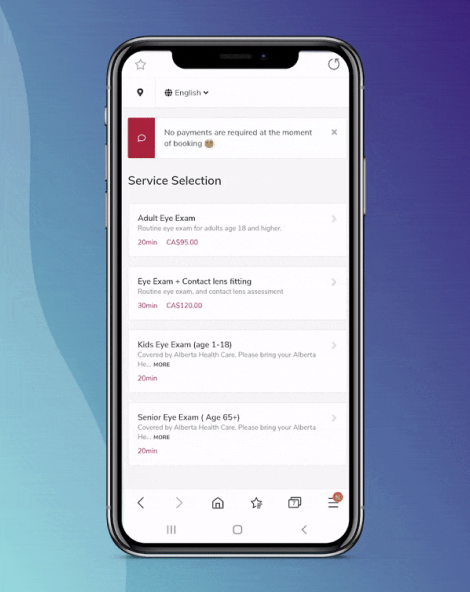
- Book online at see.charmoptical.ca — select "Comprehensive Eye Exam" and mention diabetes in the notes
- Call us at (780) 490-0090 — we will make sure to block enough time for a full dilated exam
- Bring your Alberta Health Care card and medication list
- After the exam, we will send a report to your family doctor or specialist
If you need new glasses after your exam, explore our full eyewear collection — we carry everything from everyday frames to designer brands, and we can add specialized coatings like blue light protection for screen use.
Diabetes and Vision: What Edmonton Families Should Know
Diabetes does not just affect adults. Type 1 diabetes is most commonly diagnosed in children and teenagers, and Type 2 diabetes is increasingly appearing in younger populations. If your child has diabetes, they need regular dilated eye exams too.
For families in Edmonton managing diabetes, building annual eye exams into your routine is one of the simplest and most effective things you can do. Pair it with your annual diabetes checkup — many families schedule both within the same month so it becomes automatic.
Learn more about the eye care services we offer at Charm Optical, including exams for children, contact lens fittings, and specialty eyewear.
Frequently Asked Questions About Diabetic Eye Exams
How often should diabetics get eye exams in Alberta?
The Canadian Association of Optometrists recommends annual dilated eye exams for all people with diabetes. If you have active diabetic retinopathy, your eye care provider may recommend exams every 3 to 6 months. In Alberta, AHCIP covers medically necessary diabetic eye exams regardless of your age.
Does Alberta Health cover diabetic eye exams?
Yes. The Alberta Health Care Insurance Plan (AHCIP) covers comprehensive eye exams for patients with diabetes at any age. This is classified as a medically necessary exam, so there is no age restriction like there is for standard eye exams. You need a valid Alberta Health Care card and a confirmed diabetes diagnosis.
Can diabetic retinopathy be reversed?
Early-stage nonproliferative diabetic retinopathy can sometimes stabilize or improve with tight blood sugar control, blood pressure management, and cholesterol management. However, damage from advanced proliferative diabetic retinopathy is often permanent. That is why annual screening is so important — catching changes early gives you the best chance of preserving your vision.
What are the first signs of diabetic eye disease?
This is the tricky part — diabetic retinopathy often has no symptoms in its early stages. By the time you notice blurry vision, floaters, or dark spots, significant damage may already be done. A dilated eye exam can detect micro-changes in your retinal blood vessels long before you experience any vision changes.
What does a diabetic eye exam involve?
A diabetic eye exam includes dilation drops to widen your pupils, allowing your optometrist to examine the retina and blood vessels at the back of your eye. Digital retinal imaging may also be used to photograph the retina for detailed analysis. The exam takes about 30 to 45 minutes, and your vision will be blurry for a few hours afterward from the dilation drops.
Does Charm Optical direct bill insurance for diabetic eye exams?
Yes. We direct bill Alberta Blue Cross, Canada Life (formerly Great-West Life), Desjardins, AISH, and Alberta Works. We also bill AHCIP directly for medically necessary diabetic eye exams. Call us at (780) 490-0090 if you have questions about your specific coverage.
I have Type 2 diabetes but my vision seems fine. Do I still need an eye exam?
Absolutely. Diabetic retinopathy causes no symptoms in its early stages. Studies show that up to 40% of people with Type 2 diabetes already have some degree of retinopathy at the time of their diabetes diagnosis. A dilated eye exam is the only way to detect these early changes. Fine vision does not mean healthy retinas.
Diabetes does not have to mean vision loss. Annual dilated eye exams catch problems early, when treatment is most effective. If you or someone in your family has diabetes, book a comprehensive eye exam at Charm Optical. We are here to help protect your sight.
Book online at see.charmoptical.ca | Call (780) 490-0090
5035 Ellerslie Rd SW, Edmonton, AB T6X 1X2
Written by the Charm Optical Team. Last updated April 2026. This article is for informational purposes and does not replace professional medical advice. If you have concerns about your eye health or diabetes management, please consult your optometrist or physician.