
Eye Allergies in Edmonton: Seasonal Triggers and Treatments That Actually Work (2026 Guide)
Eye Allergies in Edmonton: Seasonal Triggers and Treatments That Actually Work (2026 Guide)
If you live in Edmonton, you already know that allergy season here is no joke. Between the spring tree pollen that blankets Whyte Ave, the summer grass that fills every Ellerslie backyard, and the fall ragweed drifting through Mill Creek Ravine, your eyes take a beating from roughly April through October. And then winter brings its own set of indoor triggers.
Eye allergies — technically called allergic conjunctivitis — affect about 20% of the population, and Edmonton's unique mix of prairie grasses, urban landscaping, and dramatic seasonal shifts can make symptoms worse than other Canadian cities. The good news? You don't have to white-knuckle through another season of itchy, watery, swollen eyes.
This guide covers exactly what triggers eye allergies in Edmonton season by season, which treatments actually help (and which are a waste of money), and when it's time to see an optometrist. We see allergy-related eye complaints at our Ellerslie clinic year-round, and most people are surprised by how much relief is available once they get the right approach.
What Are Eye Allergies, Exactly?
Eye allergies happen when your immune system overreacts to something harmless — pollen, pet dander, dust mites, mould spores. Your eyes release histamine to fight the "threat," and that histamine is what causes the itching, redness, swelling, and watering.
There are two main types:
- Seasonal allergic conjunctivitis (SAC): Triggered by outdoor allergens like pollen. This is the most common type in Edmonton, peaking from April through September.
- Perennial allergic conjunctivitis (PAC): Year-round, triggered by indoor allergens like dust mites, pet dander, and mould. Edmonton's long winters mean we spend 5+ months sealed indoors with recirculated air, making PAC more common here than in milder climates.
Both types are non-contagious — you can't catch eye allergies from someone else. But they can make you miserable, affect your concentration, and even blur your vision temporarily.
Edmonton's Seasonal Eye Allergy Triggers: A Month-by-Month Breakdown
Edmonton's allergy calendar is shaped by our northern prairie climate. Knowing what's in the air — and when — helps you prepare before symptoms hit.
| Season | Months | Primary Triggers | Severity | Notes |
|---|---|---|---|---|
| Spring | April – May | Tree pollen (birch, poplar, elm, ash) | High | Edmonton's poplar trees are notorious. Pollen counts spike on warm, windy days after snow melt. |
| Early Summer | June – July | Grass pollen (timothy, bluegrass, rye) | Moderate–High | Peaks when lawns and parks are freshly mowed. River valley trails can be especially bad. |
| Late Summer | August – September | Ragweed, late grasses, mould spores | Moderate | Ragweed can travel hundreds of kilometres from southern Alberta. Mould spikes with harvest and damp conditions. |
| Fall | October – November | Mould spores, decaying leaves | Low–Moderate | Leaf litter in Whitemud and Terwillegar parks creates mould pockets. First frost usually ends outdoor pollen. |
| Winter | December – March | Indoor dust mites, pet dander, mould, forced-air heating | Low–Moderate | Sealed homes with dry air cause perennial allergies. Humidifiers can help but also grow mould if not maintained. |
Spring: The Poplar Pollen Problem
Edmonton has thousands of poplar and birch trees lining streets from Oliver to Windermere. When they bloom in late April and May, pollen counts can reach extreme levels. If you've ever seen the white "fluff" floating through Hawrelak Park, that's actually poplar seed — but the invisible pollen that comes with it is what's irritating your eyes.
Spring eye allergies in Edmonton tend to start suddenly. You might wake up one morning with eyes that feel gritty, swollen, and relentlessly itchy. Windy days are worst. Rain brings temporary relief.
Summer: Grass Pollen Takes Over
By June, tree pollen fades and grass pollen picks up. Edmonton's parks, playing fields, and residential lawns from Summerside to the Meadows become sources of timothy and bluegrass pollen. Mowing season means pollen gets churned into the air constantly.
If your eye allergies seem to flare up every time you spend a Saturday at the farmers' market or walking along the river valley, grass pollen is your likely culprit.
Fall: Ragweed and Mould
Ragweed doesn't grow extensively in Edmonton itself, but pollen can drift north from southern Alberta and Saskatchewan. More significantly, fall brings mould spores from decaying vegetation. Raking leaves in Ritchie or Bonnie Doon? That earthy smell is mould releasing spores right at face level.
Winter: The Indoor Allergy Trap
Edmonton winters are long and cold, which means sealed windows, forced-air furnaces running nonstop, and limited ventilation from November through March. Dust mites thrive in bedding, carpets, and upholstery. Pet dander accumulates. Mould can grow in bathrooms, basements, and around windows with condensation.
Many people assume their "dry eye" symptoms in winter are just from the cold air, when they're actually dealing with perennial allergic conjunctivitis from indoor triggers.
Symptoms: How to Tell Eye Allergies from an Infection or Dry Eye
Not every red, itchy eye is an allergy. Here's how to tell the difference, because the treatments are completely different.
| Symptom | Eye Allergies | Bacterial Infection (Pink Eye) | Dry Eye Syndrome |
|---|---|---|---|
| Itching | Intense, constant | Mild or none | Mild, more burning |
| Redness | Both eyes usually | Often one eye first | Mild, both eyes |
| Discharge | Clear, watery | Thick, yellow-green | None or minimal |
| Swelling | Puffy eyelids common | Possible | Rare |
| Tearing | Excessive | Some | Paradoxical tearing possible |
| Light Sensitivity | Mild | Moderate | Moderate |
| Both Eyes? | Almost always | Starts in one, may spread | Both eyes |
| Nasal Symptoms | Often (sneezing, runny nose) | No | No |
| Contagious? | No | Yes | No |
The biggest giveaway for eye allergies? Itching. If your eyes itch like crazy, it's almost certainly allergies. Infections burn and produce gunk. Dry eye feels more like sandpaper or fatigue.
Here's the tricky part: you can have more than one condition at the same time. Edmonton's dry winter air can cause dry eye, which makes your eyes more vulnerable to allergy triggers. An optometrist can sort out exactly what's going on and recommend the right combination of treatments.
Eye Allergy Treatments That Actually Work in Edmonton
There's a lot of advice floating around about eye allergies, and frankly, some of it is outdated or wrong. Here's what actually works, based on current evidence and what we see help our patients at Charm Optical.
1. Artificial Tears (Lubricating Drops)
Preservative-free artificial tears are your first line of defence. They physically wash allergens off the surface of your eye and dilute the histamine that's causing irritation. Keep a bottle in the fridge — cold drops feel incredible on inflamed eyes.
Use them before symptoms get bad. If you know pollen counts are high, use drops proactively before heading outside. This is especially helpful in Edmonton's spring when tree pollen can spike overnight.
2. Antihistamine/Mast Cell Stabiliser Eye Drops
Over-the-counter drops like olopatadine (Pataday) or ketotifen (Zaditor) are the gold standard for moderate eye allergies. They both block histamine and prevent your mast cells from releasing more of it. One drop in the morning can control symptoms for 12-24 hours.
These are far more effective than oral antihistamines like Reactine or Claritin for eye-specific symptoms. Oral antihistamines can actually make your eyes drier, which creates its own problems.
3. Cold Compresses
A clean washcloth soaked in cold water, placed over closed eyes for 10 minutes, reduces swelling and soothes itching immediately. Zero side effects, zero cost, and remarkably effective. Do this 2-3 times a day during peak allergy days.
4. Prescription Options
When over-the-counter treatments aren't cutting it, your optometrist can prescribe stronger options:
- Prescription-strength antihistamine drops: Higher concentrations than OTC versions
- Short-term steroid eye drops: For severe flare-ups. These are powerful but need monitoring — steroid drops can increase eye pressure if used too long
- Immunotherapy: For chronic, severe cases, your doctor may refer you to an allergist for desensitisation treatment
5. What Doesn't Work (or Makes Things Worse)
- Rubbing your eyes: Feels good for 2 seconds, then makes everything worse. Rubbing releases more histamine and can damage your cornea over time.
- "Get the red out" drops (Visine, Clear Eyes): These contain vasoconstrictors that temporarily whiten your eyes but cause rebound redness. They don't treat the underlying allergy at all.
- Oral Benadryl: Makes you drowsy and dries out your eyes. Not the right tool for eye-specific allergies.
| Treatment | Type | Best For | How Fast It Works | Notes |
|---|---|---|---|---|
| Preservative-free artificial tears | OTC | Mild symptoms, daily maintenance | Immediate (temporary) | Safe for unlimited use. Refrigerate for extra relief. |
| Olopatadine (Pataday) | OTC | Moderate allergies, daily prevention | 15–30 minutes | Once-daily dosing. Most effective when used consistently. |
| Ketotifen (Zaditor) | OTC | Moderate allergies | 15–30 minutes | Twice-daily dosing. Available at most Edmonton pharmacies. |
| Cold compresses | Home remedy | Swelling, acute itching | Immediate | Use 10 minutes at a time, 2–3x daily. |
| Prescription antihistamine drops | Rx | Severe seasonal allergies | 15–30 minutes | Requires optometrist assessment. May be covered by insurance. |
| Short-term steroid drops | Rx | Severe flare-ups | 1–2 days | Used for 1–2 weeks max. Requires IOP monitoring. |
| Immunotherapy (allergy shots) | Specialist referral | Chronic, multi-season allergies | Months (long-term solution) | Targets root cause. Referred via allergist. |
Contact Lenses and Eye Allergies: What Edmonton Lens Wearers Need to Know
Wearing contact lenses during allergy season can feel like a cruel joke. Pollen and allergens stick to lens surfaces, keeping irritants pressed right against your eyes all day. But you don't have to give up contacts entirely.
Daily Disposable Lenses Are a Game-Changer
If you wear contacts and deal with seasonal eye allergies, switching to daily disposable lenses during allergy season is the single best thing you can do. Fresh lenses every day means no allergen build-up, no protein deposits trapping pollen, and no overnight contamination from your lens case.
Many of our patients at Charm Optical use monthly or bi-weekly lenses most of the year, then switch to dailies from April through September. It's a practical approach that balances cost and comfort.
Tips for Contact Lens Wearers During Allergy Season
- Put in allergy drops before inserting your lenses (wait 10-15 minutes)
- Use preservative-free rewetting drops throughout the day
- Wash your hands thoroughly before handling lenses — pollen transfers from your fingers
- Avoid wearing lenses on extremely high pollen days if possible
- Consider having a backup pair of prescription glasses for your worst allergy days
Need help finding the right daily lenses for allergy season? Come see us at our Ellerslie location — we can fit you with comfortable dailies and make sure your prescription is current.
Kids and Eye Allergies in Edmonton
Children are especially prone to eye allergies, and they're not great at explaining what's wrong. Watch for these signs:
- Frequent eye rubbing (especially outdoors or after playing with pets)
- Dark circles under the eyes ("allergic shiners")
- Complaints about "blurry" vision that comes and goes
- Watery eyes without crying
- Avoidance of outdoor activities they usually enjoy
Alberta Health Care covers annual eye exams for children under 19, so there's no cost barrier to getting your child's eyes checked. If allergies are affecting their school performance or outdoor play, an optometrist can recommend age-appropriate treatments. Many of the same drops used for adults are safe for children, but dosing and frequency may differ.
During back-to-school season (August-September), we see a spike in parents bringing kids in for eye exams. Combining a routine exam with an allergy assessment makes sense if your child has been rubbing their eyes all summer.
When to See an Optometrist Near Me for Eye Allergies
Most mild eye allergies can be managed with OTC drops and cold compresses. But sometimes you need professional help. Book an eye exam if:
- OTC drops aren't helping after 1-2 weeks of consistent use
- Your vision is affected — persistent blurriness, light sensitivity, or halos
- You have eye pain (not just itching) — this could indicate something more serious
- Symptoms are severe — significant swelling, mucus discharge, or eyelid crusting
- You're unsure whether it's allergies, dry eye, or infection — treatment is different for each
- Your contact lenses are uncomfortable despite trying allergy-season adjustments
- Symptoms are year-round — you may need a different approach than seasonal treatment
What to Expect During an Allergy-Focused Eye Exam
A comprehensive eye exam at Charm Optical is $99 and takes about 30 minutes. When eye allergies are part of the picture, your optometrist will:
- Examine the surface of your eyes with a slit lamp microscope to check for allergic papillae (tiny bumps under your eyelids that indicate chronic allergy)
- Assess your tear film quality — allergies and dry eye often overlap
- Check your eye pressure (important if you've been using steroid drops)
- Review your full medical and allergy history
- Recommend a tailored treatment plan based on your specific triggers and severity
We direct bill to Alberta Blue Cross, Canada Life (formerly Great-West Life), Desjardins, AISH, and Alberta Works, so your exam may be partially or fully covered depending on your plan.
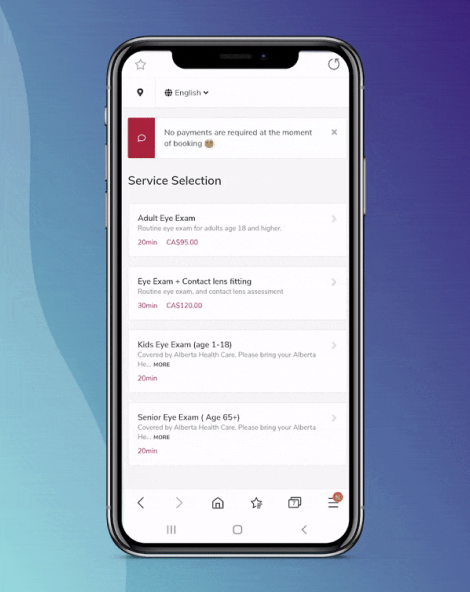
You can book online at see.charmoptical.ca or give us a call at (780) 490-0090.
Prevention Tips for Edmonton Residents
The best treatment for eye allergies is avoiding triggers in the first place. Here are practical strategies that work for Edmonton's specific conditions:
Outdoor Allergy Prevention
- Check Edmonton pollen counts daily: The Weather Network and local allergy apps track real-time pollen levels for our area. Plan outdoor activities for low-count days when possible.
- Wear wraparound sunglasses: They physically block pollen from reaching your eyes. This is one of the simplest and most effective prevention tools. Browse our selection of wraparound and sport frames designed for Edmonton's active lifestyle.
- Shower and change clothes after being outside: Pollen clings to your hair, skin, and clothing. If you've been walking the trails in Terwillegar Park, shower before settling onto the couch.
- Keep car and home windows closed during peak pollen hours (typically 5 AM - 10 AM and early evening).
- Avoid line-drying laundry outdoors from April through September — your sheets will collect pollen.
Indoor Allergy Prevention
- Use a HEPA filter: Standalone air purifiers with HEPA filters remove 99.97% of airborne particles. Especially important during Edmonton's long heating season.
- Change furnace filters regularly: Every 1-3 months during heating season. Use MERV 11+ rated filters to trap pollen and pet dander.
- Wash bedding weekly in hot water to kill dust mites.
- Control humidity: Keep indoor humidity between 30-50%. Too dry irritates eyes; too humid grows mould. Edmonton homes tend to run very dry in winter — a humidifier helps, but clean it regularly to prevent mould growth.
- Remove shoes at the door: Tracks in pollen, mould spores, and outdoor allergens.
Eye-Specific Prevention
- Don't rub your eyes. We keep saying it because it matters. Use a cold compress or flush with artificial tears instead.
- Remove eye makeup thoroughly every night — residue traps allergens against your lids.
- Replace mascara and eyeliner every 3 months during allergy season, or sooner if your eyes have been inflamed.
- Clean your glasses daily — pollen accumulates on frames and lenses, right next to your eyes.
Frequently Asked Questions About Eye Allergies in Edmonton
Can eye allergies cause permanent damage to my eyes?
Typical seasonal eye allergies do not cause permanent damage. However, chronic rubbing of your eyes can lead to corneal changes over time, including a condition called keratoconus where the cornea thins and bulges. Severe, untreated allergic conjunctivitis (especially a form called vernal keratoconjunctivitis) can also affect the cornea. The takeaway: manage your allergies properly and stop rubbing your eyes. If symptoms are severe or persistent, see an optometrist.
When is allergy season worst in Edmonton?
The worst period for eye allergies in Edmonton is typically late April through June, when tree pollen (especially poplar and birch) peaks. A second wave hits in June and July with grass pollen. Late August and September bring ragweed and mould. The exact timing varies year to year depending on when snow melts and how warm the spring is — an early warm spring means an earlier, more intense pollen season.
Are daily contact lenses really better for allergies than monthly lenses?
Yes. Daily disposable lenses are significantly better for allergy sufferers. Monthly and bi-weekly lenses accumulate protein deposits and allergens on their surface over time, even with proper cleaning. Dailies give you a fresh, clean lens every morning with zero allergen build-up. Many of our patients switch to dailies just for allergy season (April through September) and use their regular lenses the rest of the year. Come in for a contact lens fitting and we'll find a daily lens that works for your eyes and budget.
Does insurance cover eye allergy treatment in Alberta?
It depends on your plan. Alberta Health Care covers annual eye exams for children under 19 and adults 65+. Most employer insurance plans (Alberta Blue Cross, Canada Life, Desjardins) cover a portion of eye exams and may cover prescription allergy drops. Government programs like AISH and Alberta Works also include optical coverage. At Charm Optical, we direct bill to these providers so you only pay your portion at the time of your visit. Call us at (780) 490-0090 and we can check your specific coverage before you come in.
Can eye allergies make my vision blurry?
Yes, temporarily. Excess tears, mucus on the eye surface, and swollen eyelids can all blur your vision during an allergy flare-up. This typically clears when the allergy episode subsides. If you notice persistent blurriness that doesn't improve with blinking or artificial tears, book an eye exam — there may be something else going on beyond allergies.
What's the difference between pink eye and eye allergies?
"Pink eye" is a general term that can refer to allergic, viral, or bacterial conjunctivitis. Allergic conjunctivitis causes intense itching, clear watery discharge, and typically affects both eyes simultaneously. Bacterial pink eye usually starts in one eye, produces thick yellow-green discharge, and may crust your eyelids shut overnight. Viral pink eye falls somewhere in between. The key difference: allergic conjunctivitis is not contagious, while bacterial and viral forms are. If you're unsure which type you have, an optometrist can diagnose it quickly.
Should I stop wearing eye makeup during allergy season?
You don't need to stop entirely, but be strategic. Avoid waterline (tightline) eyeliner, which can block the oil glands in your eyelids. Replace mascara and eyeliner every 3 months during allergy season, since old products harbour bacteria and allergens. Remove all eye makeup thoroughly every night — micellar water followed by a gentle cleanser works well. If your eyes are actively inflamed, skip the eye makeup for a few days to let them recover.
Stop Suffering Through Another Edmonton Allergy Season
Eye allergies are treatable. Whether you're dealing with spring pollen that turns your morning commute into a watery mess or winter dust mites that make your home office miserable, the right approach makes a real difference.
At Charm Optical, we see patients with allergy-related eye concerns year-round. A comprehensive eye exam helps us figure out exactly what's triggering your symptoms and build a treatment plan that actually works for your life.
Book your $99 eye exam online at see.charmoptical.ca, or give us a call at (780) 490-0090. We're located at 5035 Ellerslie Rd SW, Edmonton, AB T6X 1X2 — right in the heart of South Edmonton.
We direct bill Alberta Blue Cross, Canada Life (formerly Great-West Life), Desjardins, AISH, and Alberta Works.